When Paul Knight addressed the National Trust election forum late last year, he encouraged a new approach when considering Aboriginal cultural heritage. As I read his words, I saw that it applied not just to Indigenous Australian cultural heritage but on thinking critically about Australian “cultural heritage” in general.
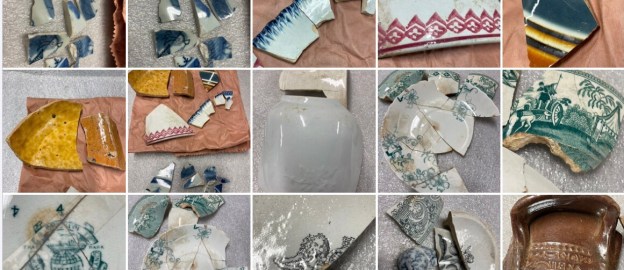
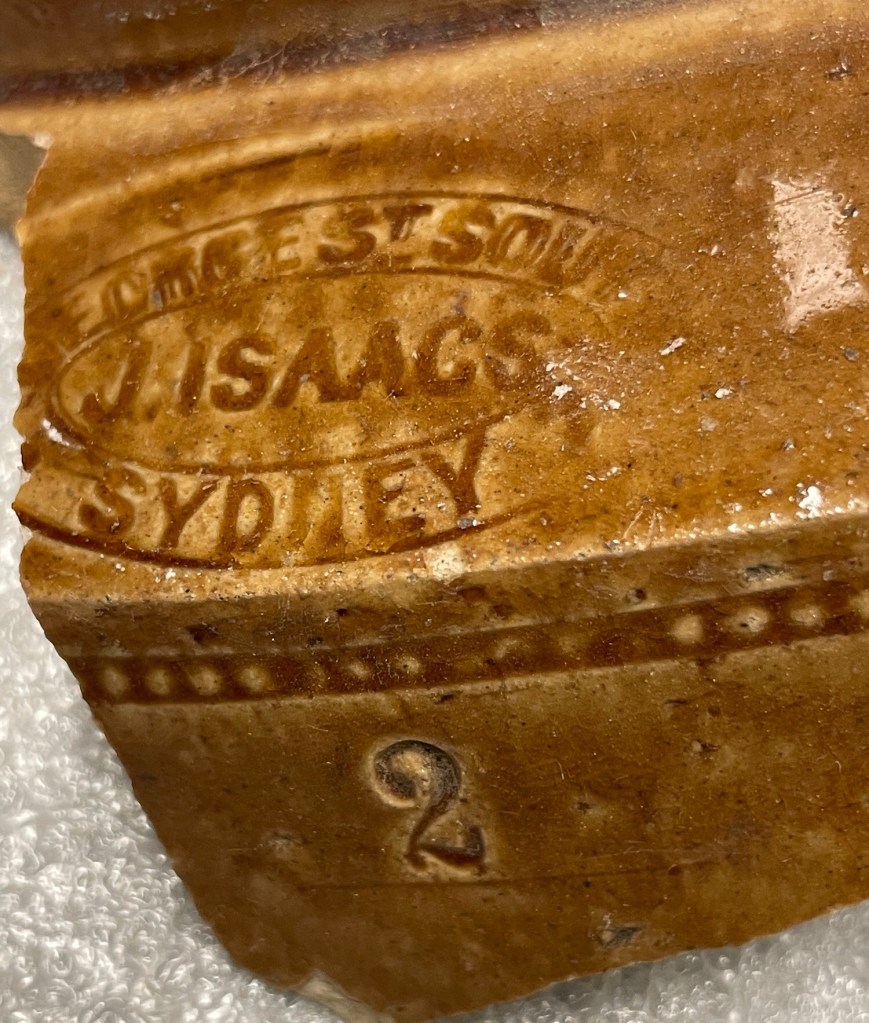
What can archaeology tell us about the past and people who used these items?
Knight states that it isn’t just the buildings and objects that matter but rather “ the stories of place, the stories of people and the relationship that we have with that place”.
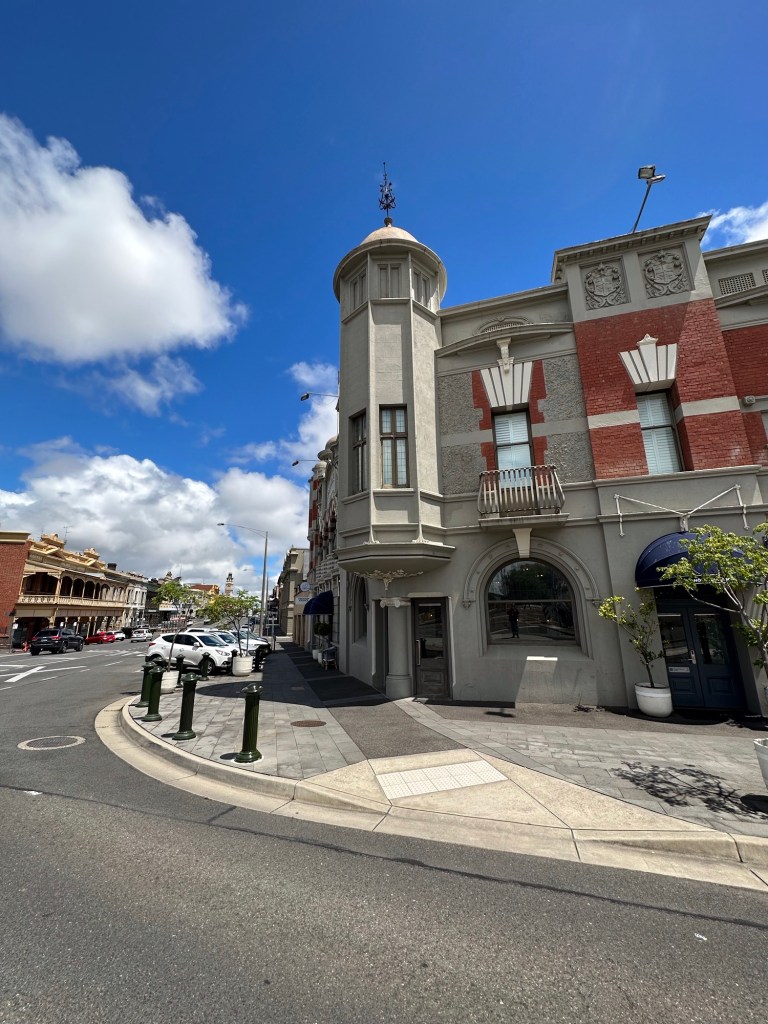
There are significant and great losses of cultural heritage from every layer of Australian history – Indigenous, Colonial and Multicultural. When you dissect the outcomes, it is so much more than just a loss of a habitat or a building or an object – it is that every single loss becomes magnified in the context of a much larger jigsaw of place and/or landscape. How does the destruction of heritage buildings or removal of a group of trees change the feel of a street or the city CBD or the suburb that we live in or indeed the landscape that they were once part of? Imagine The Rocks in Sydney CBD being flattened and replaced with high rise buildings. How much harder would it be to tell the stories of early Sydney town without its original streetscape? How wonderful it is to be able to visit the towns of Indigo Shire and Ballarat in Victoria which exhibit intact cultural heritage (houses, gardens, historic buildings) as a backdrop to the stories of Australia during the gold rush times.
The City of Ballarat, Victoria. Heyday in the 1850s from the rich alluvial gold deposits.
Knight talks about individual sites and their connection to the greater surrounding area and that loss of context and connection impacting upon the total heritage landscape. It’s so true. As we redevelop and clear and subdivide and dig – we permanently change not only the surface area of the landscape (whether forested or built) but the archaeological landscape below the surface. The eventual “cover up” causes irreversible damage and may include the loss of the evidence to tell “tangible” stories attached to the history of that place. Archaeological finds are so critical for research and interpretation of the past lives lived right under our feet.
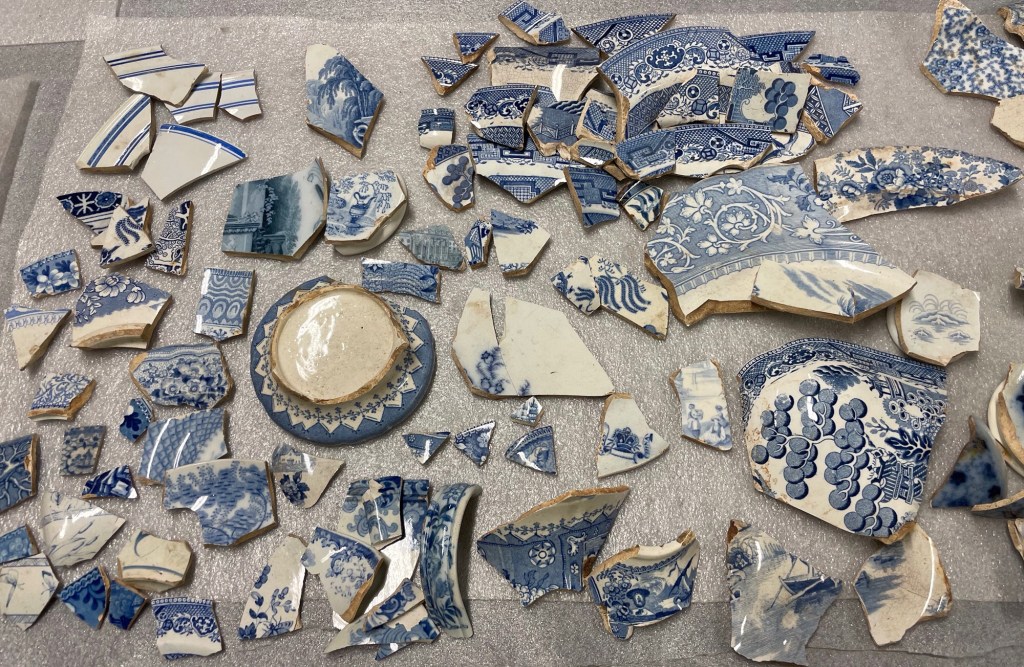
So many patterns and types of blue and white ceramics from a single archaeological find in Parramatta, NSW. What story do they tell?
Indigenous Australians talk of their connection to “country” and being custodians of the land – I really get that. We need to pay attention to this way of seeing Australia – not only being connected to the landscape but to the built environment and other layers of Australian history (“warts and all”). We must all adapt to a different way of thinking – realising that we are all the caretakers of our cultural heritage and are just passing through. For future generations there needs to be stories and a connection to the past. We must ensure that we protect all the layers of cultural heritage and rethink the model of protection for individual sites and objects and assess them as part of the whole heritage landscape rather than case by case examples.
Heritage Legislation is critical in ensuring that Australians are custodians of their own history. We all need clear guidelines about the ways we can protect the past at both state level and a national level and including shipwrecks and our sunken past off the coast.
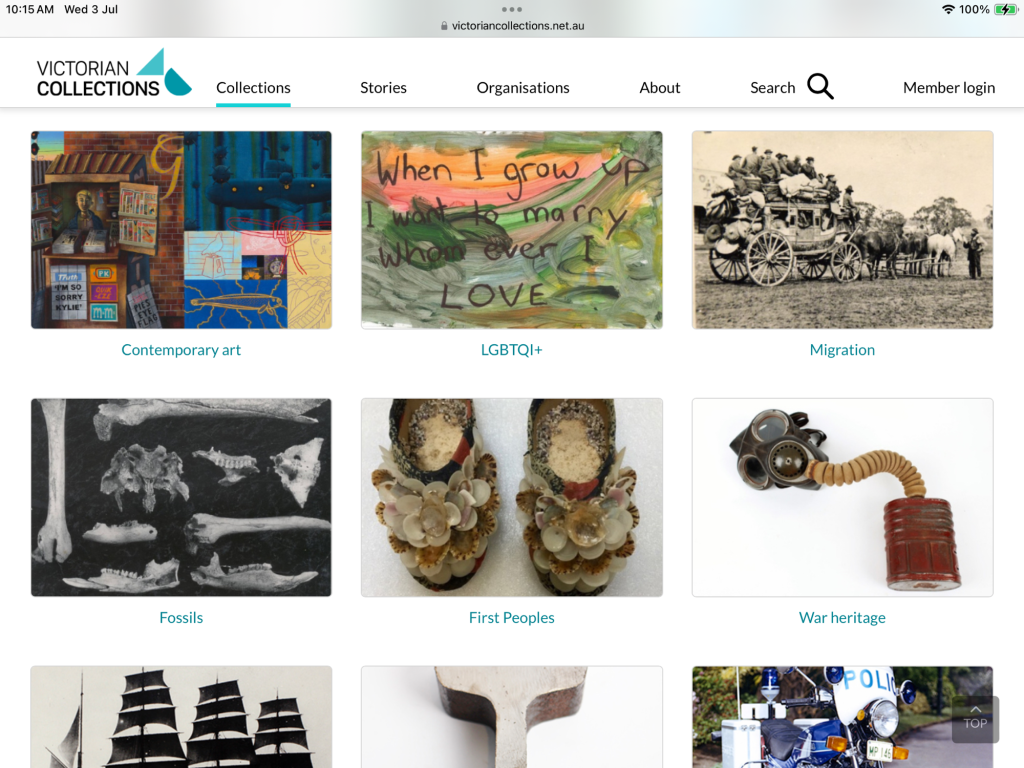
The State of Victoria has lead the way educating us about the past by building its Victorian Collections Platform – cataloguing and interpreting archaeological and heritage finds. The information is accessible to everyone online. Food for thought?
Why should cultural institutions do audience research?
Competition in the “museum world” is tough. It doesn’t matter how exclusive your collection is, or how famous your brand, there is competition from other cultural institutions, big and small, as well as any number of other distractions (sport, relaxation, leisure pursuits) competing for a share of potential visitors and even the most committed members’ valuable time. Face to face audience research into visitor experiences within the museum provides useful information that can be fed back into program development, museum policy and strategic planning for the future.
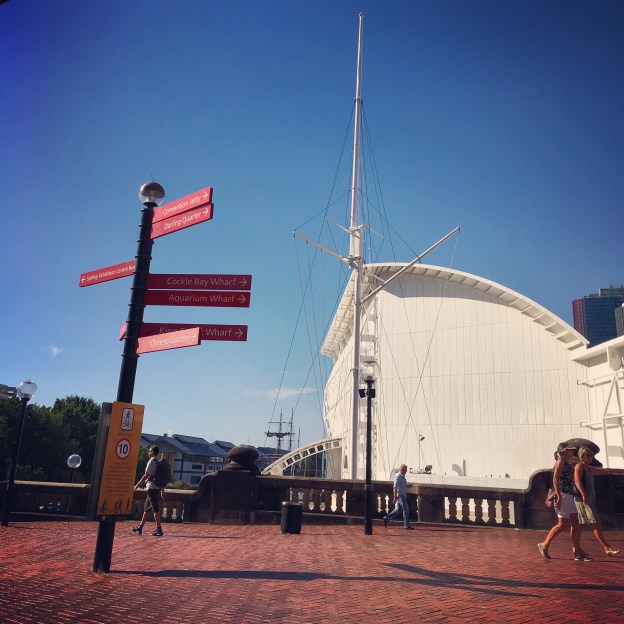
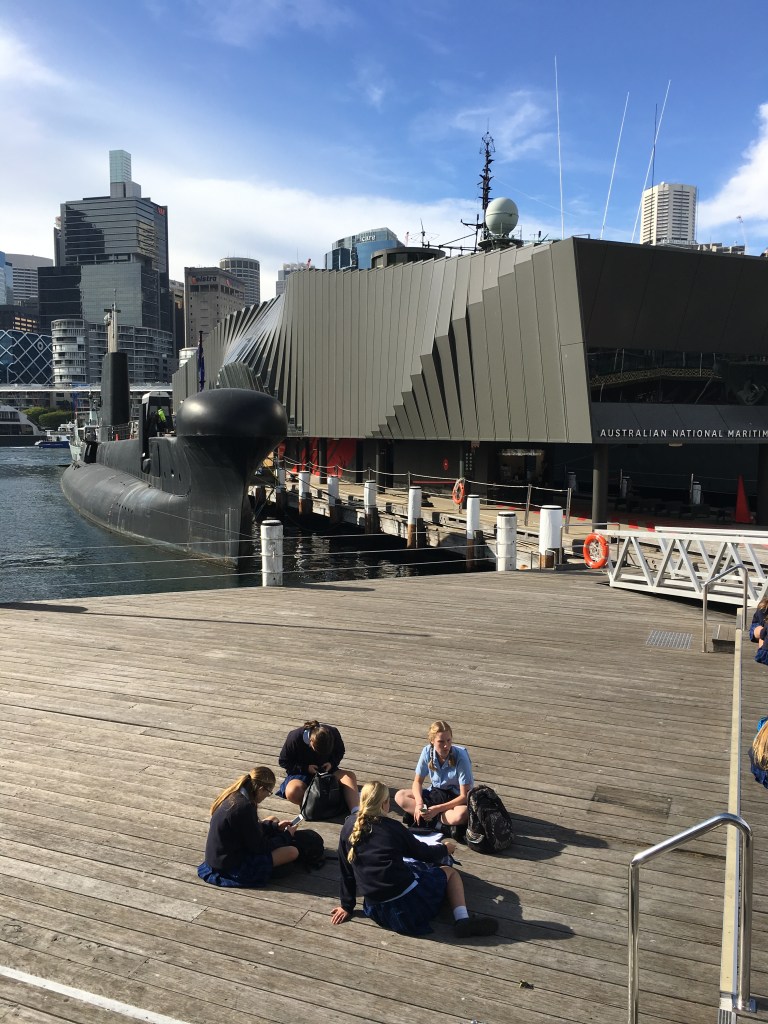
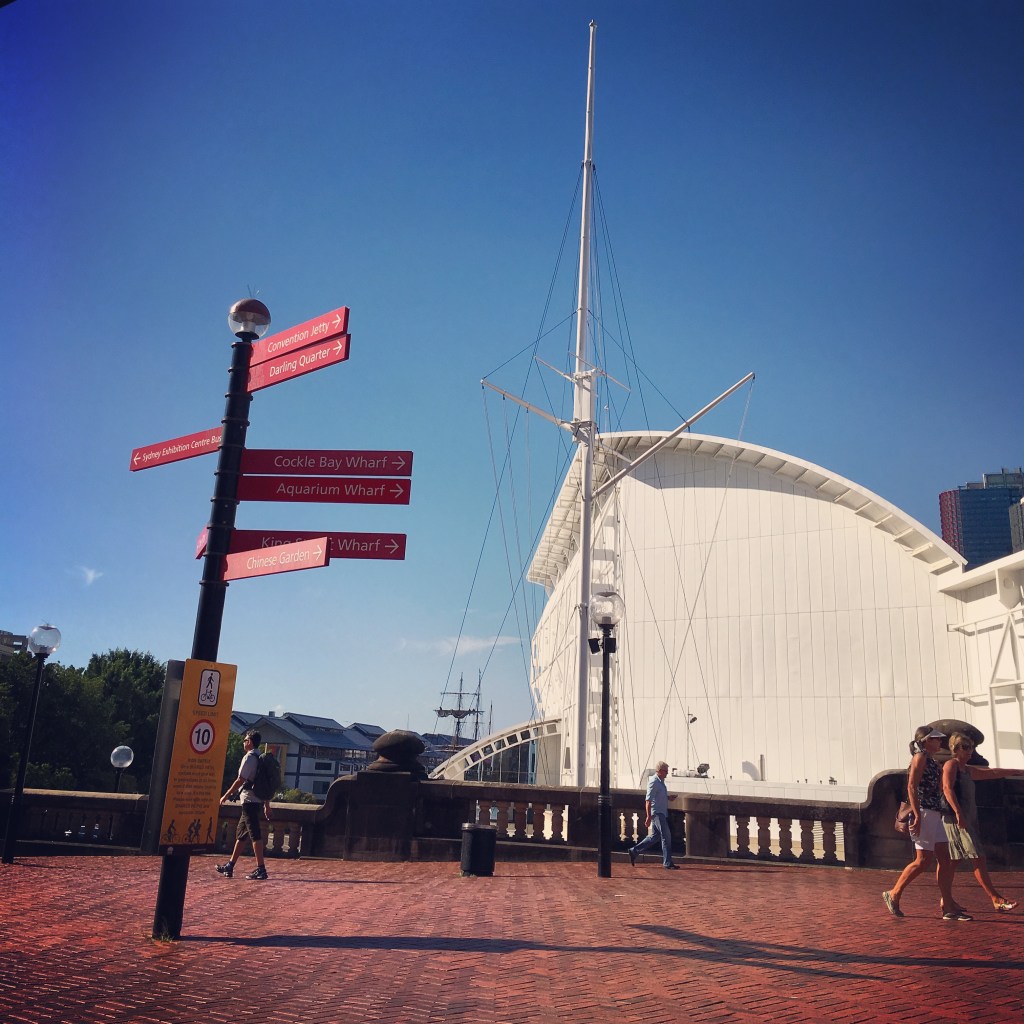
The front foyer of the newly rebranded MU-SEA-UM (Australian National Maritime Museum) at Darling Harbour
It is not enough to just happily count numbers of visitors through the door. Numbers on their own can be quite misleading without the qualitative data supporting visitor behaviour (including visitor observation and tracking – see separate post) during the visit and feedback from visitors about their personal experiences inside your cultural institution and why they may or may not come back in the future.
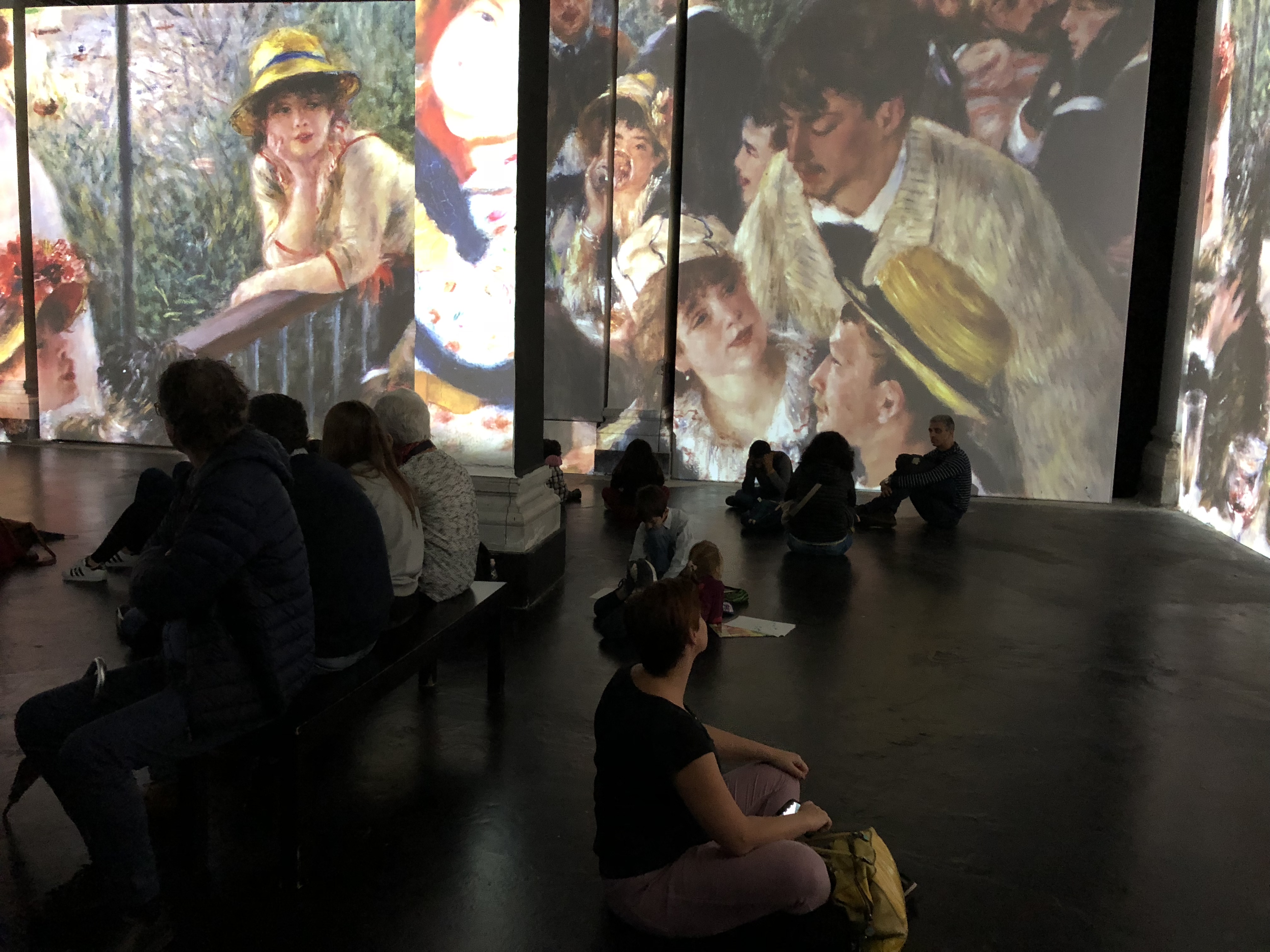
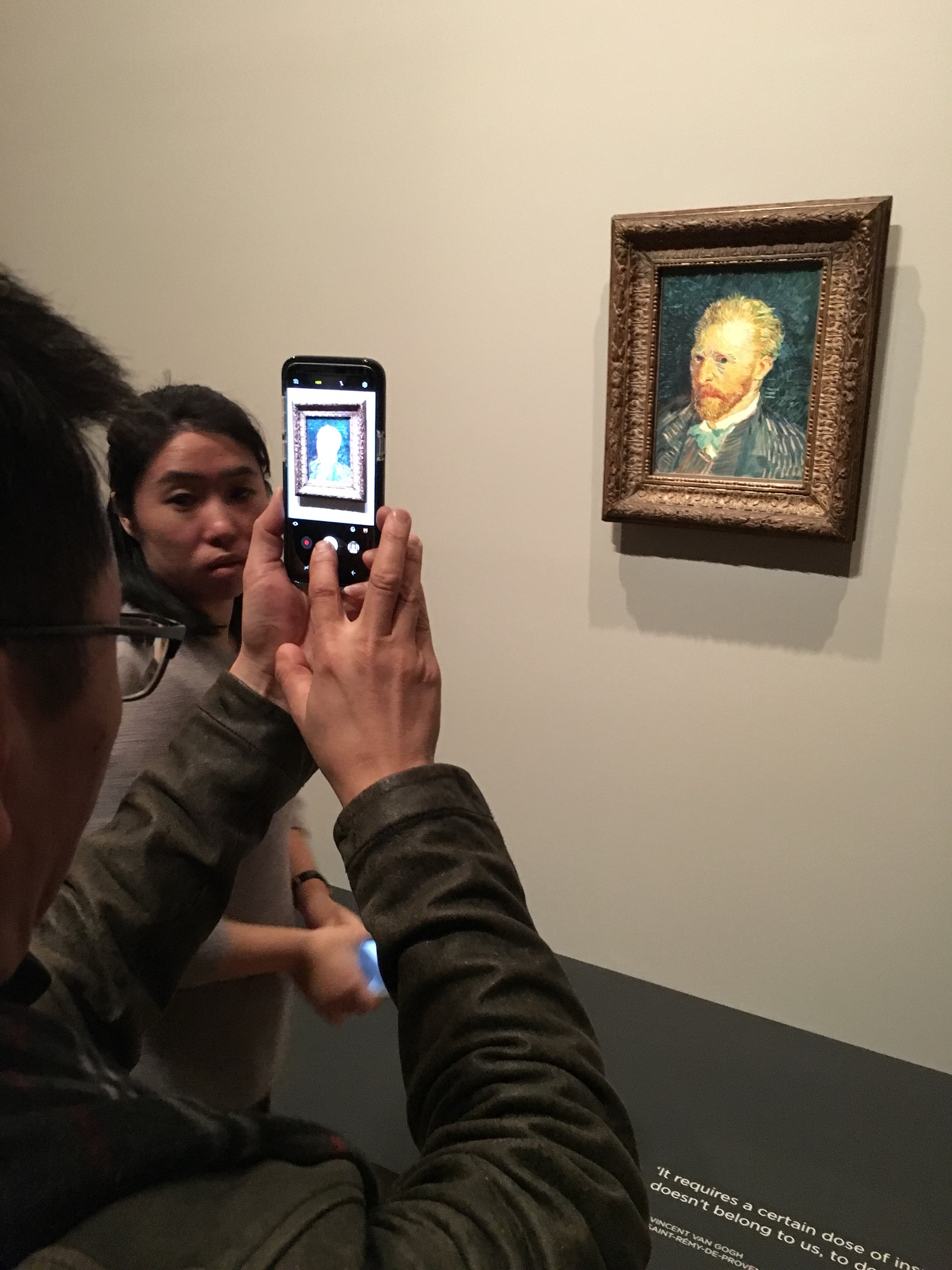
Impressionists from Monet to Cezanne at Palazzo degli Esami in Rome
Visitor Feedback Surveys
Certainly, visitor feedback is key to keeping audiences engaged with your museum and your brand. If you welcome feedback, audiences feel appreciated and valued, whether it’s about the collection, upcoming or current exhibitions, kids activities, programs, eating spaces or the state of the bathrooms!
Once you have direct communication with visitors, you can benefit enormously from their feedback (both positive and negative), but firstly, the organisation needs to be specific as possible about what it wants to know in order for the feedback to be beneficial.
Preparing your audience research objective
Modern Masters from The Hermitage at the Art Gallery of NSW
Feedback survey questions usually require a brainstorming session in order to define the aims of the survey. Once the aims have been determined, it becomes easier to write the survey questions. It’s impossible to retrieve and analyse data that has not been collected and there is no point in collecting data that staff have no use for. Think carefully –
How will the information be used?
What do staff want to find out about their visitors?
Where are your visitors from? Are they alone or with friends/ family?
Are they likely to return to your institution – this may be affected by accessibility. Are visitors local or from overseas/interstate? Are they already members, repeat visitors or first timers?
What are their interests? These may be specific to your museum collection, a particular exhibition or just a family outing?
What do people like or dislike about your museum collection, exhibitions, program and activities? Embrace both sides as an opportunity to think critically about what you offer and the way you offer it.
Also be conscious that research on people who do not visit the museum can be useful to determine why people don’t come, particularly the local community on your doorstep.
Using results
Constant self-reflection and improvement will encourage more visitors through the door. Use the findings from visitor feedback surveys to help with the planning and implementation of improvements to the “people interface” – Front of House, museum spaces and services (including facilities, cafe, museum shop etc.). Listening to and responding to the feedback findings will ensure the success of future marketing, promotional and public relations campaigns.
The solid evidence produced by analysing survey results will add credibility to your case when pitching to potential sponsors or funding sources to support future projects.
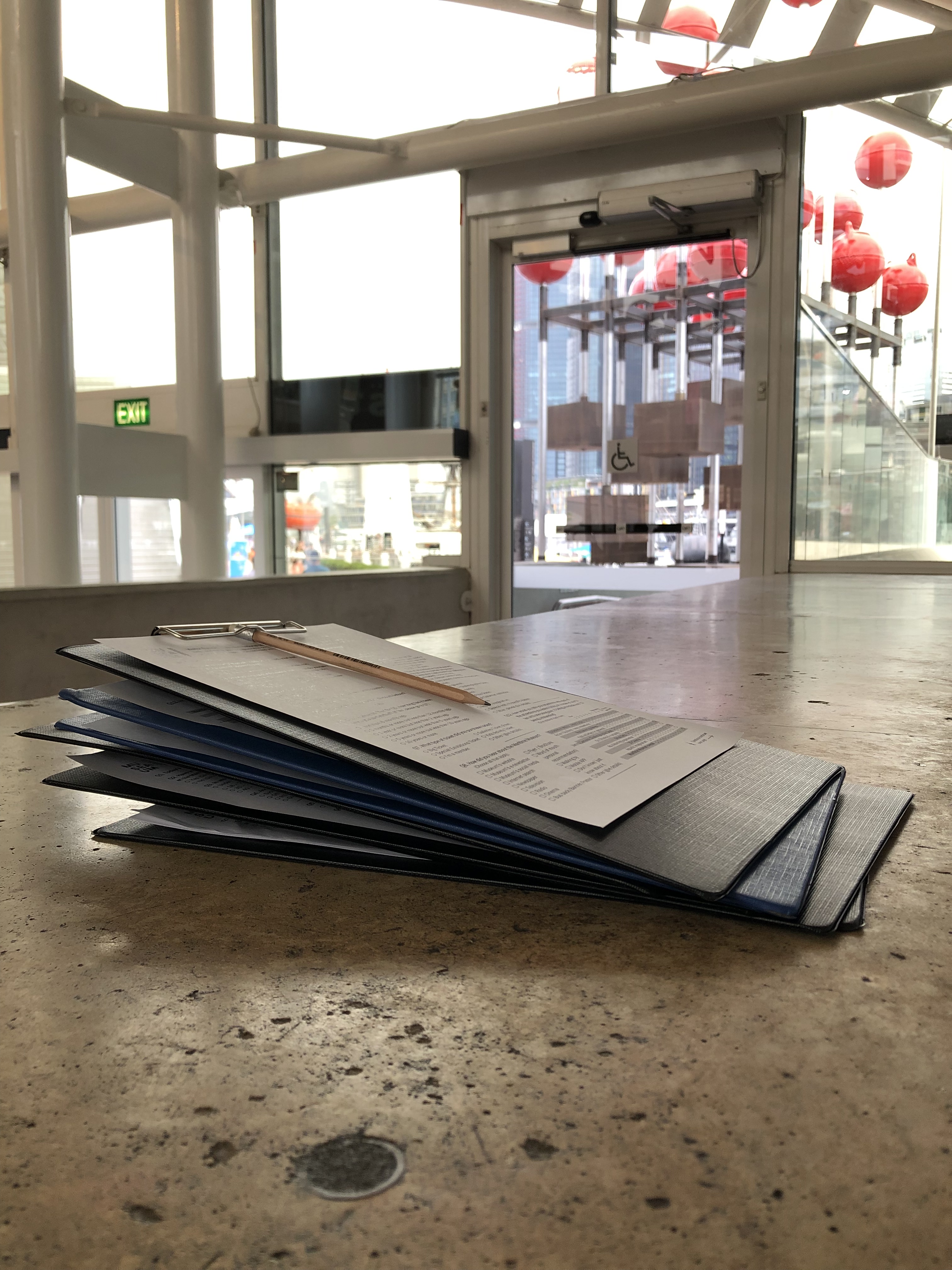
Clip boards at the ready. Many museums choose iPads for surveying. The importance thing is to use tools which allow engagement with the visitor. You may learn something extra during the exchange.
Tips for Survey staff on real time Surveying of Visitors
Take time to absorb the museum atmosphere on the day. Move around the museum spaces and work out the best spots to catch people.
Choose people carefully. There is no point in asking a parent with a screaming child or people preoccupied with something inside the museum where they are unlikely to want to be disturbed.
Introduce yourself to visitors being surveyed and tell them what you are doing emphasising that the museum needs their feedback to try to improve or find out their opinion on “(whatever)” depending upon the survey aim – ticket pricing, accessibility, current exhibition content and future exhibition topics ……..
Encourage each visitor to fill out the form themselves if possible but try to ensure that all pages are filled out
Add “in-house” predetermined requirements such as completion time, date etc. to each survey
Try to sample broadly
Don’t worry about knockbacks, if you are friendly then visitors might participate next time or at another cultural institution when they have more time.
Write down anecdotal comments which you think may add value to the survey being carried out even if the feedback isn’t relevant to the questions
Set yourself a target based on past experience – some days are better than others depending on the flow and mood of the museum visitors on the day in question and on the length of the survey.
Offer an incentive for their time. e.g. a coffee voucher, discount for next visit or even a voucher for the museum shop.
Thank them for their participation
Further reading for those people thinking about visitors to cultural institutions – what visitors think and why they may or may not visit our cultural institutions.
Potential visitors to cultural institutions are spending more time on the couch instead
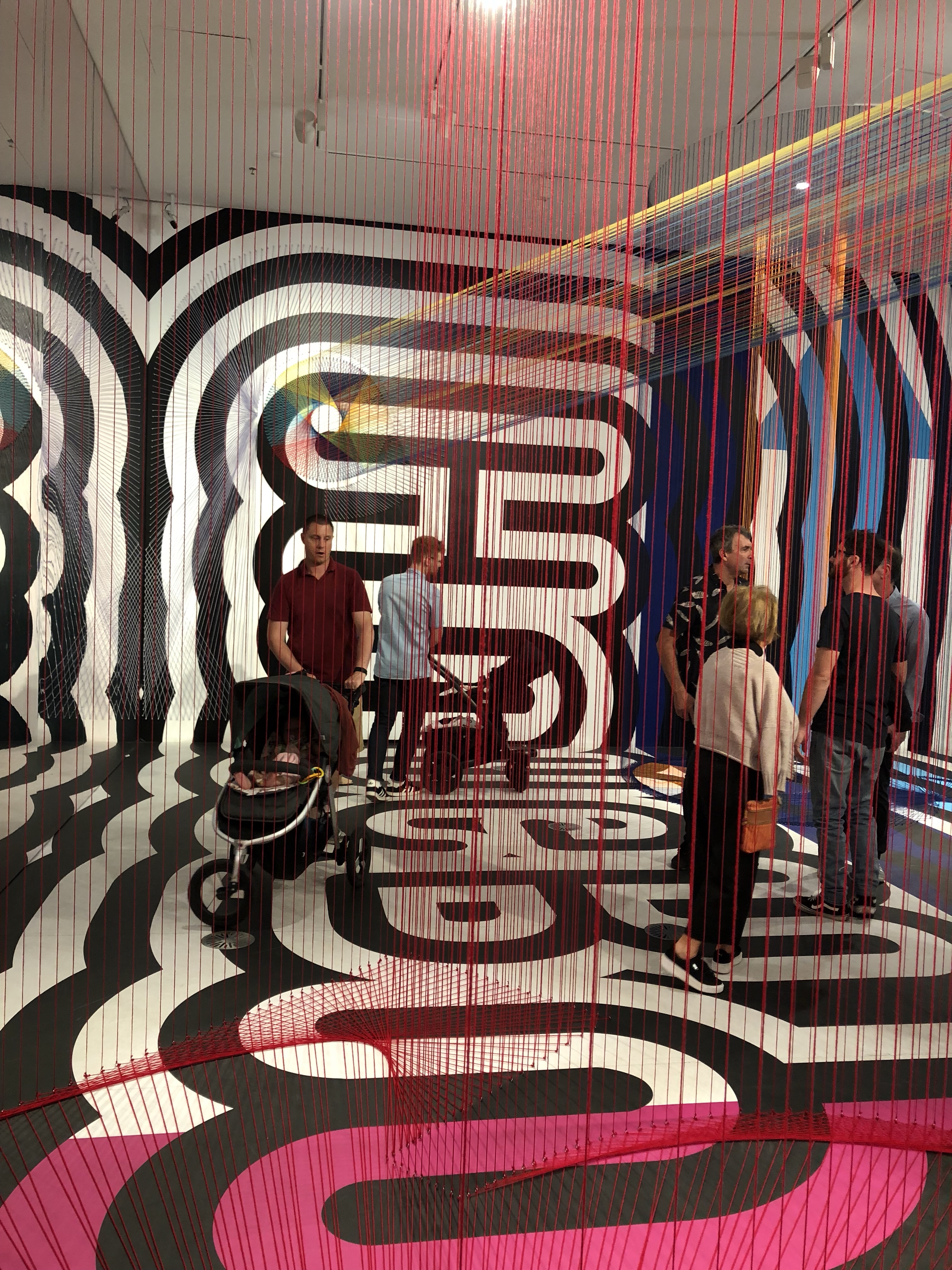
Pae White’s colourful installation drawing in all ages
The National Gallery of Victoria (NGV) is Australia’s oldest and possibly most well loved museum of art, founded in 1861. Its mission statement – “To illuminate life by collecting, preserving and presenting great art” and perhaps the unwritten mission of “giving it to the people”.
NGV Triennial 15 December 2017-15 April 2018
In 2016 the NGV was the 19th most popular art gallery in the world with more than 2.6 million visitors across its two campuses. The ranking places the gallery in the company of Paris’s Musee d’Orsay and New York’s Museum of Modern Art.
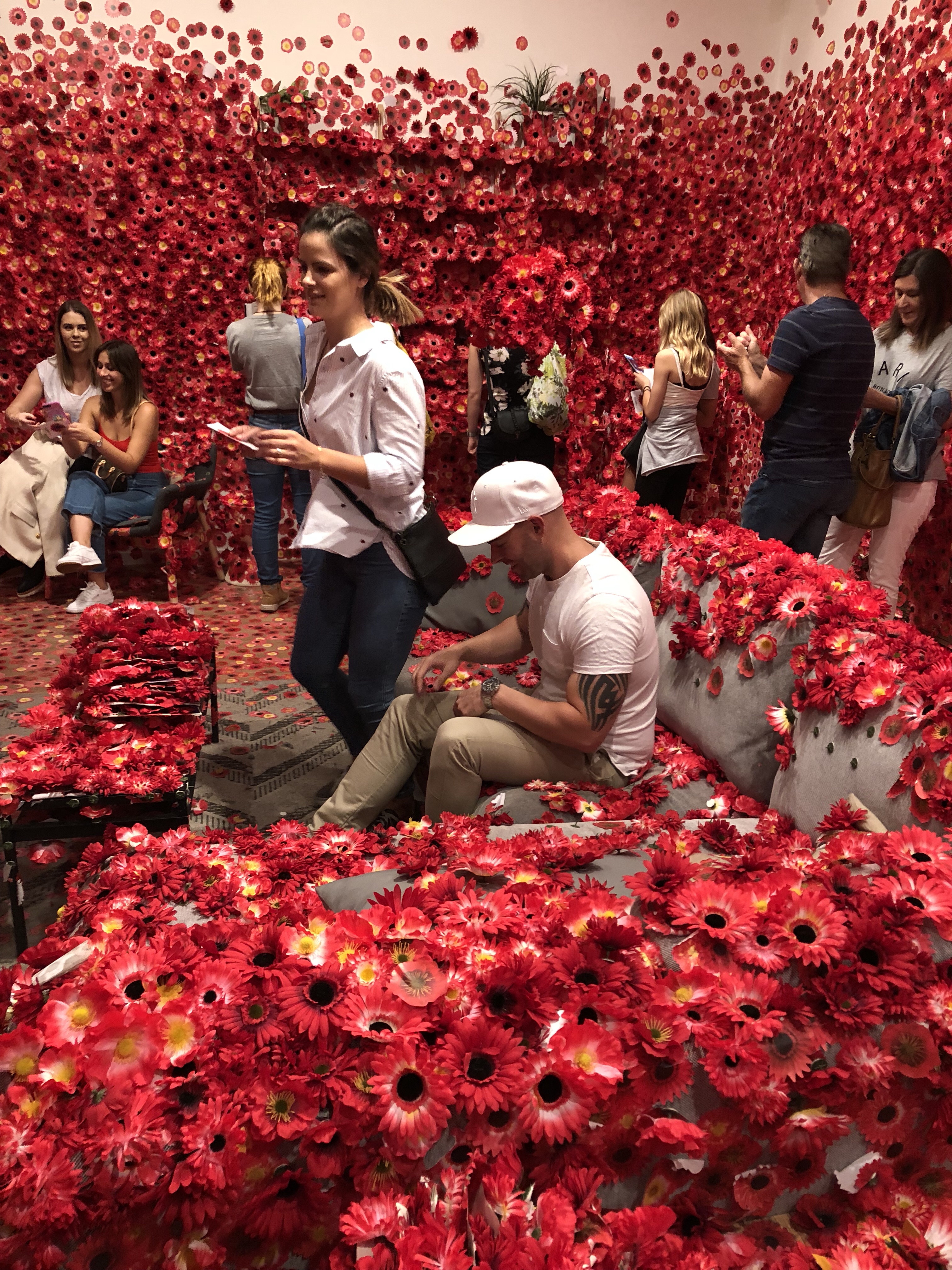
Yayoi Kusama’s Obliteration Rooms are always popular with visitors
The NGV held forty-nine exhibitions during 2016-17, including major retrospectives of international and Australian artists and designers, as well as focused displays of works in the NGV collection. The quality and variety of audience engagement initiatives presented in support of these exhibitions was extensive. They offered guided tours, audio tours, mobile phone apps, talks, lecture series and workshops as well as social events – such as the Friday Night events (aimed at capturing more of the younger audiences after work), the Summer Sundays music series and the NGV Kids Summer festival and supporting Kids spaces for some of the major exhibitions. For example – as part of the exhibition Andy Warhol / Ai Weiwei (2015-2016), NGV Kids presented Studio Cats, a large-scale installation especially for children and families to draw upon creative connections between the two artists and their mutual love of cats.
The Gallery aims to present programmes that engage visitors in meaningful cultural experiences and to keep them coming back.
According to their audience research data, The National Gallery of Victoria enjoys one of the highest community participation rates in the world. 70% of their visitors are local from Melbourne and regional Victoria unlike many other international art museums where the majority of visitors are incoming tourists. This also indicates that the locals keep coming back which is what every cultural institution needs to strive for. This is what Nina Simon talks about most recently in The Art of Relevance but also in The Participatory Museum and her Museum 2.0 Blog.
For any Cultural Institution, the collection remains fundamental to the audience engagement and education strategy. The thoughtful curation and presentation of historical and contemporary collections is a key museum management strategy for continuing and ongoing audience engagement. Colleen Dilenschneider regularly writes about this in her Know Your Own Bone Blog (most recently in Special Exhibits vs. Permanent Collections (DATA) and previously in Death by Curation).The NGV strategy is to ensure that its collection is accessible to the widest possible audience who may be unable to visit the museum through the ongoing work of the NGV Digitisation Project which is still progressing.
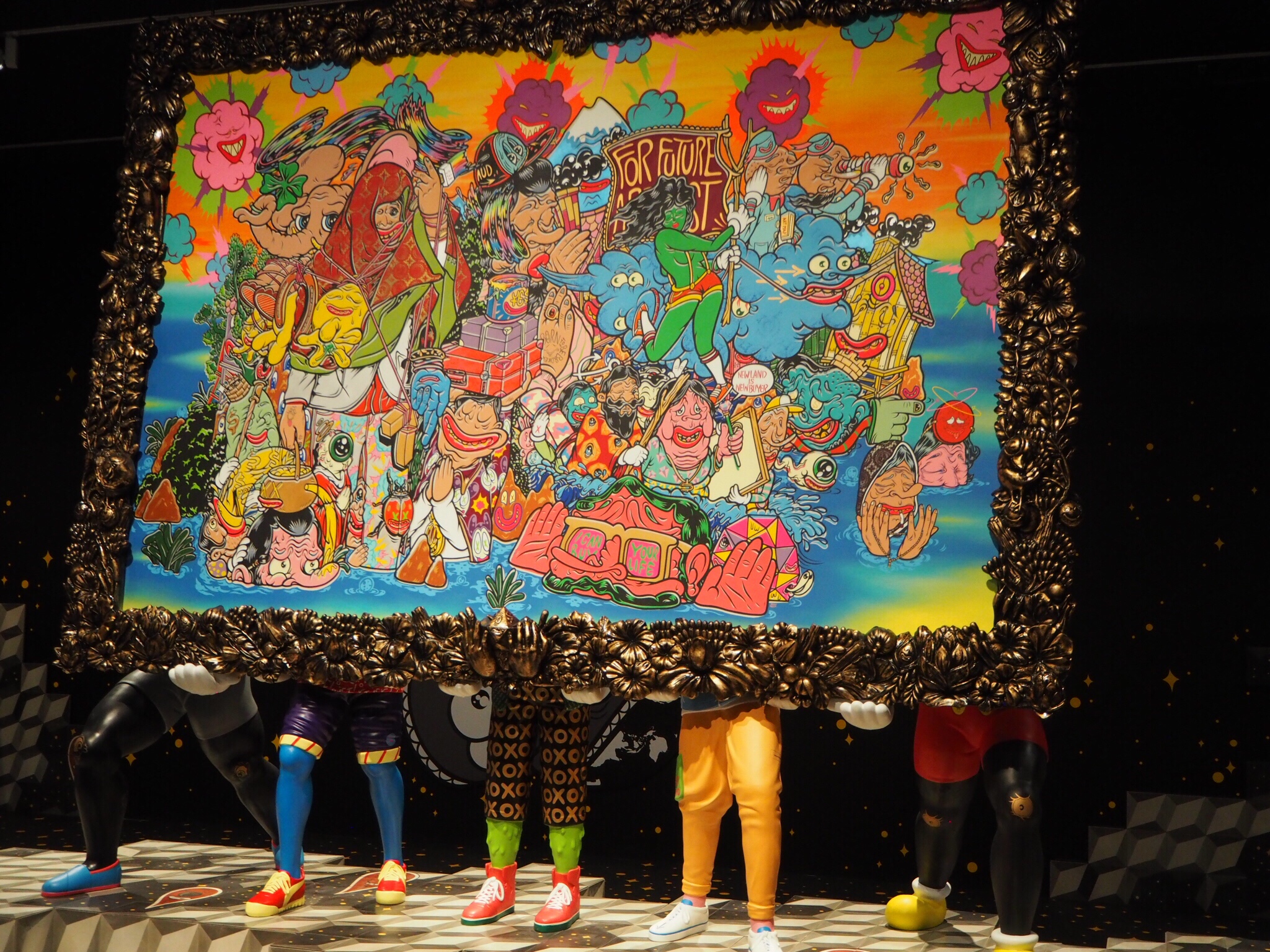
I have to disclose that I am already a big fan of the NGV and the way that they design their spaces. I visit the NGV each time that I am in Melbourne, so over many years have enjoyed both Summer and Winter exhibitions as well as taking time to learn about the permanent collection shown across both campuses (St Kilda Road and the Ian Potter Centre in Federation Square). On my recent visit I took in the inaugural Triennial at the National Gallery Victoria which on the surface (without actual audience data analysis) appears to be a great success. What I enjoyed most about this free experience was seeing the diversity of visitors attending the exhibition and the way that the work of 100 contemporary artists, architects and designers from 32 countries was juxtaposed against the existing works from the collection – which was great exposure.
Audience engagement with the art at NGV Triennial
I think that there is currently a cultural revival happening worldwide despite Government funding cuts trying to choke the Arts into submission. Creativity and cultural heritage feed the soul when so much about modern life seems to do the opposite. Now is a better time than ever for cultural institutions to offer their prospective audiences something new and different, to re-energise and maybe even reinterpret their collections to be more inclusive, to build community and feed the souls that are weary of modern life and meaningless 24 hour connectedness to media, social media and globalised sameness. Keep leading the way National Gallery of Victoria and hopefully other cultural institutions in Australia will follow or at least just lift their game a notch.
The good thing about not working for a single museum (and believe me there are not many advantages to being a contract or casual worker) is that you get to see things as an outsider. An outsider is well placed to think critically about cultural institutions because they have no skin in the game.
As such, I am always thinking about audience engagement at the museums, art galleries and heritage spaces that I visit (particularly the ones for which I have a paid yearly membership). In my paid employment, I have been lucky to have been supervised by one of the best – Dr Lynda Kelly (CEO Lynda Kelly Networks and formerly Head of Learning at The Australian National Maritime Museum) who embraces digital engagement in cultural spaces and advocates the importance of evaluating the museum audience experience at every point of contact – before, during and after the visit. I am also a big fan of Colleen Dilenschneider and her blog (and new website), “Know Your Own Bone” and 3 minute YouTube videos (for those who don’t have time to read) which give tremendous insight into cultural organisations, their audiences and their markets. Kelly and Dilenschneider really make you think about museums in the 21st century and how they will grow their actual and online visitor numbers to protect the future of their cultural organisations.
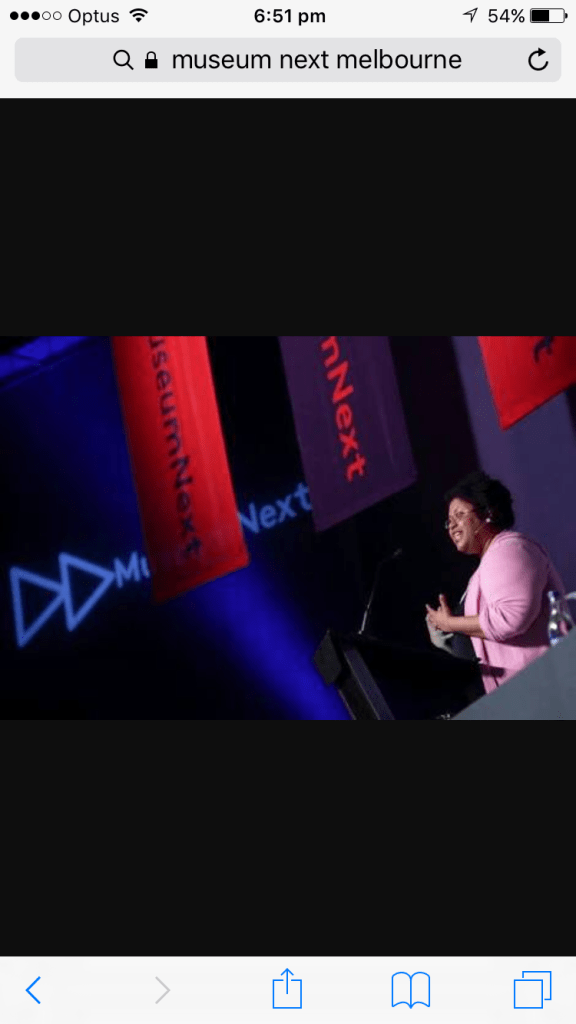
There are some current “disruptive techniques” available for the marketing and presentation of new experiences to keep current visitors actively involved in cultural organisations whilst growing new audiences and developing new community relationships. The MuseumNext conferences are held all over the world with speakers from all kinds of cultural institutions sharing their knowledge and experience with participants. “Risk” is one of the repeating themes for discussion.
Museums, like other cultural organisations, need to take more risks if they want to grow their audiences. This is not about putting collections or staff in any danger, but about “thinking outside the box” and doing things a little differently. It is also not about cutting staff and handing over the reigns to an external consultant who really doesn’t know the museum or the value of specific collections let alone understand the overworked back of house functions (curatorial, education, conservation, research and volunteers). It is about best practice and the collective future for museums and better ways to interpret and present collections, by engaging and changing the perception of existing audiences, creating new audiences in the physical museum space and online, embracing technology, encouraging visitor participation and fostering innovation within cultural institutions worldwide.
Taking calculated risks can also be interpreted as “disruption” in cultural institutions. Organisations like to think that they have a “vision” and strategic plan for the future but
are programmes being run the way that they were always run?
are audiences the same as they always were?
are the needs of the staff more important, equal to or less important than those of the audiences?
is the marketing function bringing superficial numbers through the door more important than the curatorial and back of house functions who maintain collections, design exhibitions, create educational programs and digital content behind the scenes?
Is the team behind the scenes as harmonious and cohesive as the face being presented to the public?
is the institution well funded and well managed with strong leadership and direction?
Do vistors do the museum “value” their experience?
There are so many issues to consider and the issues will vary depending upon the size of the organisation, the collection involved, the existing membership base and the statutory and funding model for the cultural institution in question.
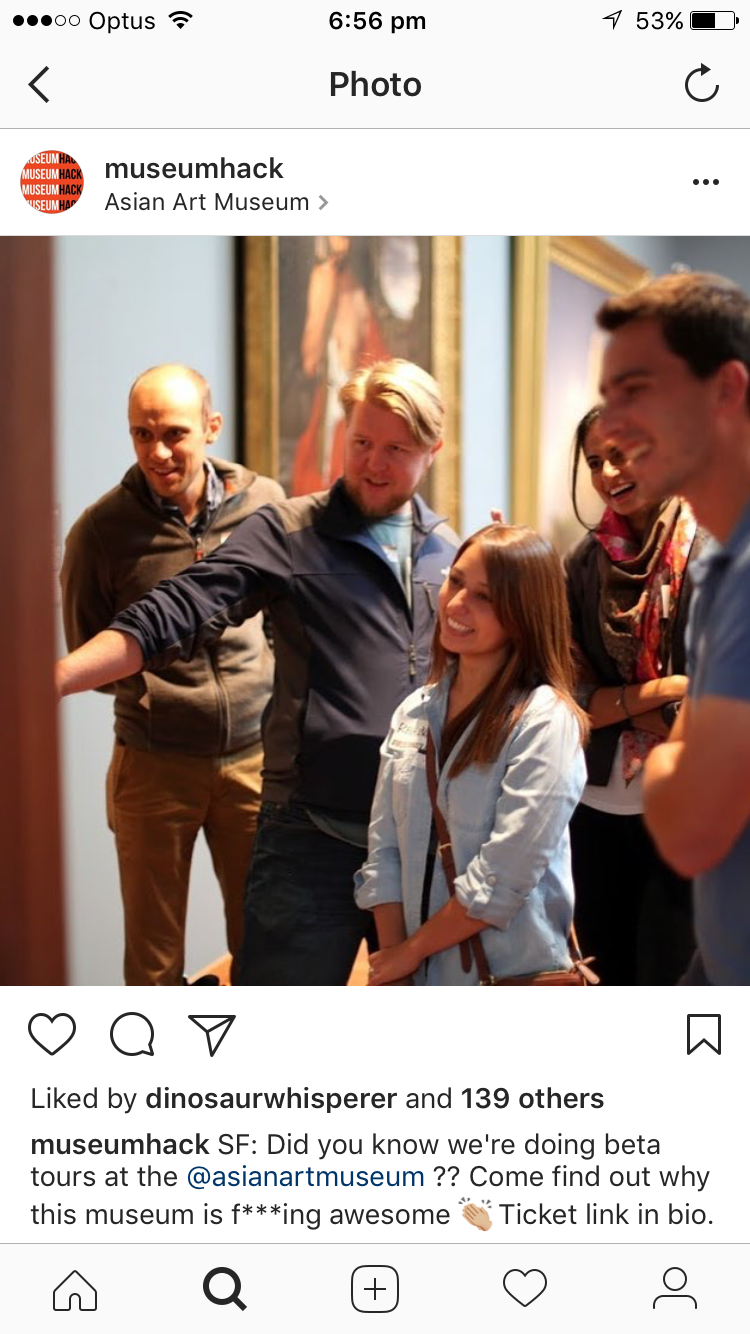
For the 21st Century Museum engaging new and different audiences is critical. How does an organisation like Museum Hack become a “disruptive force” in an established cultural institution? They look with new eyes. They work with organisations “to create new content, strengthen existing programs, build social media prowess, reach new audiences, and increase relevance and engagement”. They set out to engage new audiences and increase audience diversity by thinking outside the box – encouraging a new relationship between visitors and the collections in the museum space and for this interaction to be about learning and fun.
It could be argued that many museums put time and effort into curating their spaces and educating the public but unless the output is measured and analysed then the “facts and figures” may be misleading. Counting numbers through the door and anecdotal observations are not sufficient in comparison to quantitative results from well orchestrated visitor studies and qualitative reports gleaned from well designed visitor feedback surveys. Ceri Jones’s review article on “Enhancing our understanding of museum audiences: visitor studies in the 21st century” quotes David Fleming as saying that “ if museums are to be serious about their social role, understanding the needs, motivations and expectations of visitors (and non-visitors) is critical to their mission, values and decision-making processes (Fleming 2012)”.
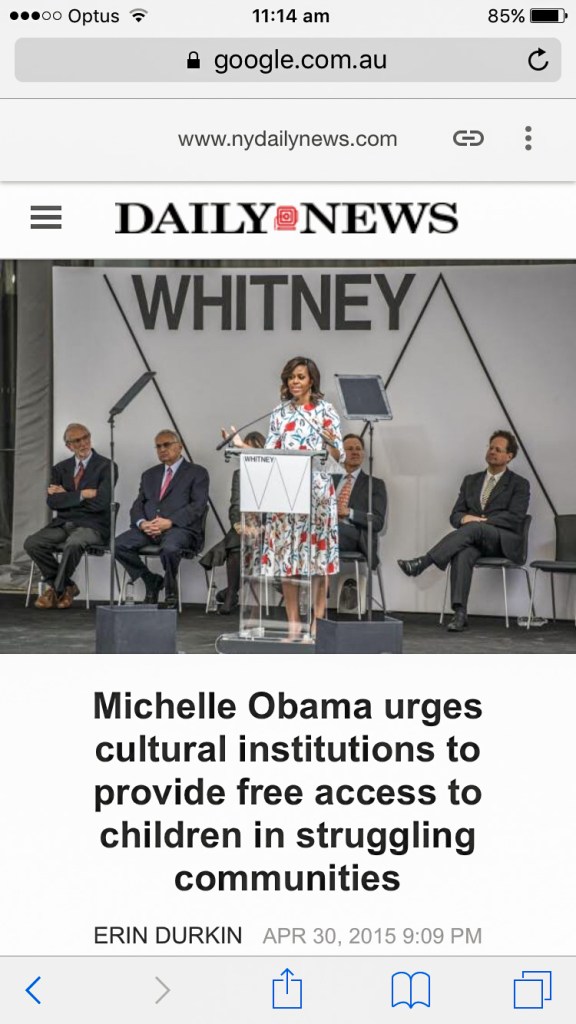
While academics in the museum industry may not like the style of Nina Simon’s book, Art Of Relevance, I love the way she writes about cultural institutions and the need for them to remain relevant with audiences into the future if they want to survive. I particularly like the way she looks at “insiders” and “outsiders”, which is what Michelle Obama spoke about at the opening of the new Whitney Museum extension that I mentioned in my previous post. Obama spoke about the way that some sectors of the community feel that they don’t belong or wouldn’t be represented in their local cultural institutions and Simon speaks about finding “new doors” to open which makes people feel welcome rather than left outside.
In 2016, Chloe Hodge wrote an editorial for Artsy, “As Attention Spans Dwindle, How Does a Museum Capture New Audiences?” which gives examples of three museums adopting new approaches to engaging new audiences and building relationships with the local community. Panama’s Biomuseo has used architecture and design to try to draw in the locals to engage with the biodiversity of their environment in a country without any true museum culture. The environmentally sustainable building aims to reconnect locals with the outdoors and encourages visitors to act on their social conscience by protecting their plant and animal species and thinking about Panama’s global responsibilities.
Berlin’s Museum Island (Museum für Islamische Kunst, the Bode, Pergamon, and the Deutsches Historisches Museum (DHM)) have adopted a programme used by Museum für Islamische Kunst and a group of Syrian archeology students who became asylum seekers in 2011. “Multaqa: Museum as Meeting Point,” involves the training of Syrian and Iraqui refugees as museum guides and their weekly tours in the Arabic language have opened up the museum collections as conversation starters for refugees who have been disconnected from their own countries. A spokesperson for DHM explains that “When the refugees see images of a completely destroyed Germany and then compare this to what we have now, it gives them hope that Syria, in particular, might once again be a working state. We in Germany tend to forget that Europe was once, too, divided by religious wars and the whole continent destroyed.”
In London’s East End, The Victoria and Albert Museum was seen as partly being to blame for the loss of social housing and the gentrification of the area used for the London Olympics. They are now employing and training East Londoners to ensure that the museum is a product of the area, with a broad appeal for local audiences who can relate to local staff. Three worthwhile innovative strategies chosen by Hodge for discussion in her piece.
There are other ideas for smaller institutions with little budget for large marketing campaigns. Parramatta’s Riverside Theatre has been subsidising the cost of a theatre tickets to disadvantaged young people and running workshops in the arts for people with disabilities by asking theatre goers to donate to the Riverside Theatre’s education programme. Being proactive in engaging new audiences who might otherwise have been left outside the door is one way to ensure the future of the cultural institution, particularly when the experience is a positive one.
Hannah Hethmon wrote about inexpensive social media marketing for smaller cultural institutions in her blog post “Guerilla Marketing Tips for small museums”. She spoke about investing time and energy rather than money to attract new audiences using social media tools which target visitors who are not regulars and may be persuaded to visit by an influencer that they follow on Pinterest, Instagram or Facebook to visit a museum in response to a post which calls them to action.
Museums in the 21st century have to fight hard for a slice of the recreational dollar. In Australia, there are demographic changes to the cities, changes in cultural diversity, generational changes and changing in access to technology which affect the way cultural organisations are viewed and valued by the population in general. To grow in the future, cultural organisations must know how they are placed with respect to all of the above and take some risks in the future to remain relevant to their current audiences and to attract new visitors. It won’t just be about sharing collections and heritage spaces and places but about exchanging knowledge, being safe places to visit, being affordable and welcoming to everyone.
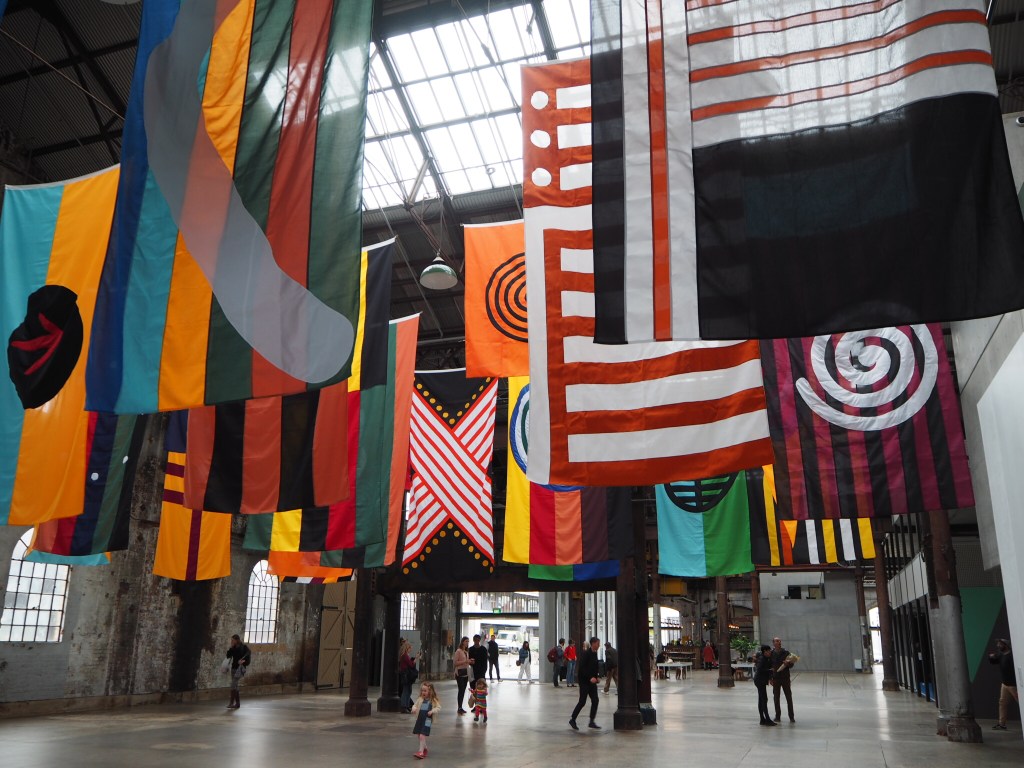
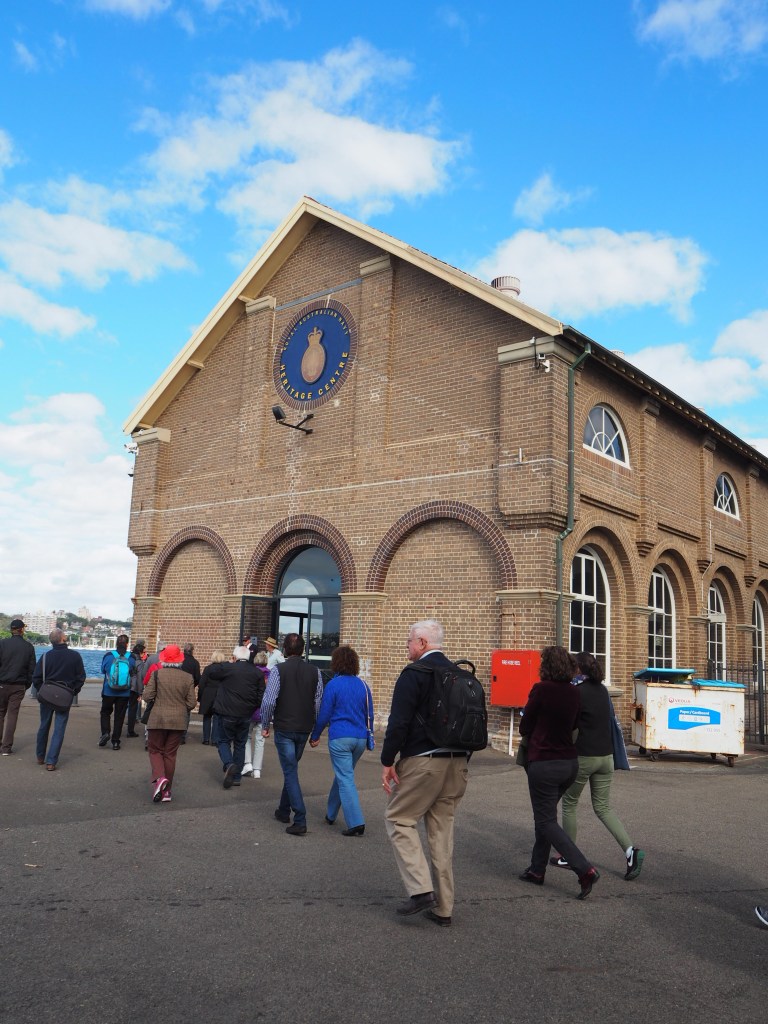
Carriage Works, SydneyGarden Island Heritage Centre, SydneyAustralian National Maritime Museum, SydneyNational Gallery Australia, CanberraNational Gallery Victoria, MelbourneSydney AquariumThe Dairy Cottage, ParramattaChoeung Ek KIlling Fields, Cambodia
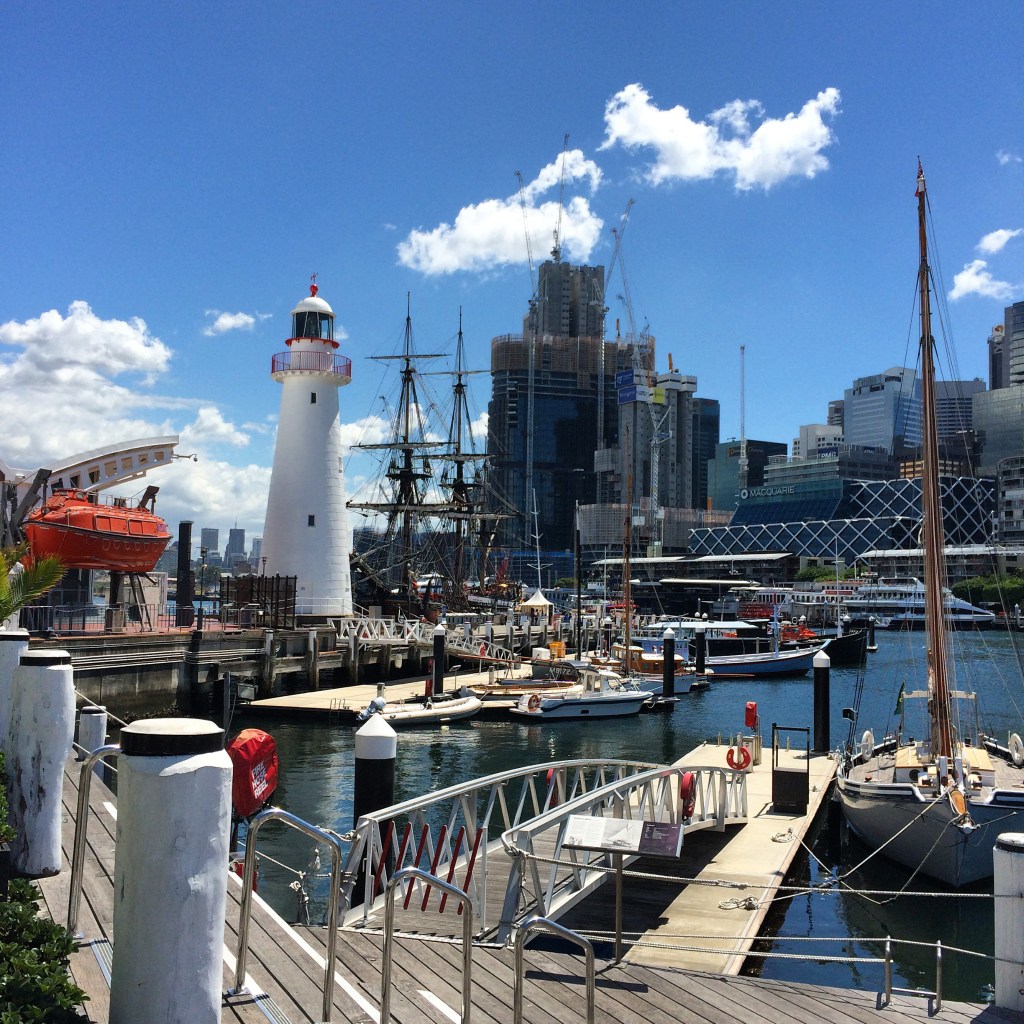
Australian National Maritime Museum from Pyrmont BridgeAustralian National Maritime Museum
After doing a ticket pricing survey for Front of House at the Australian National Maritime Museum in 2016, I started researching articles about the benefits of free entry to museums and art galleries compared with charging admission and whether or not this does impact on visitor numbers. I am not certain that we are any further on in the debate in 2026.
In 2016 many articles reported that it made no difference and that people who valued the museum experience came with or without an entry charge. Even with free entry, there was a debate about whether new visitors would start coming and if the number of new visitors increased as a proportion of the total number of visitors on an annual basis. As I was digesting the information, I came across Colleen Dilenschneider’s article Admission Price is not a Barrier for Cultural Center Visitation.
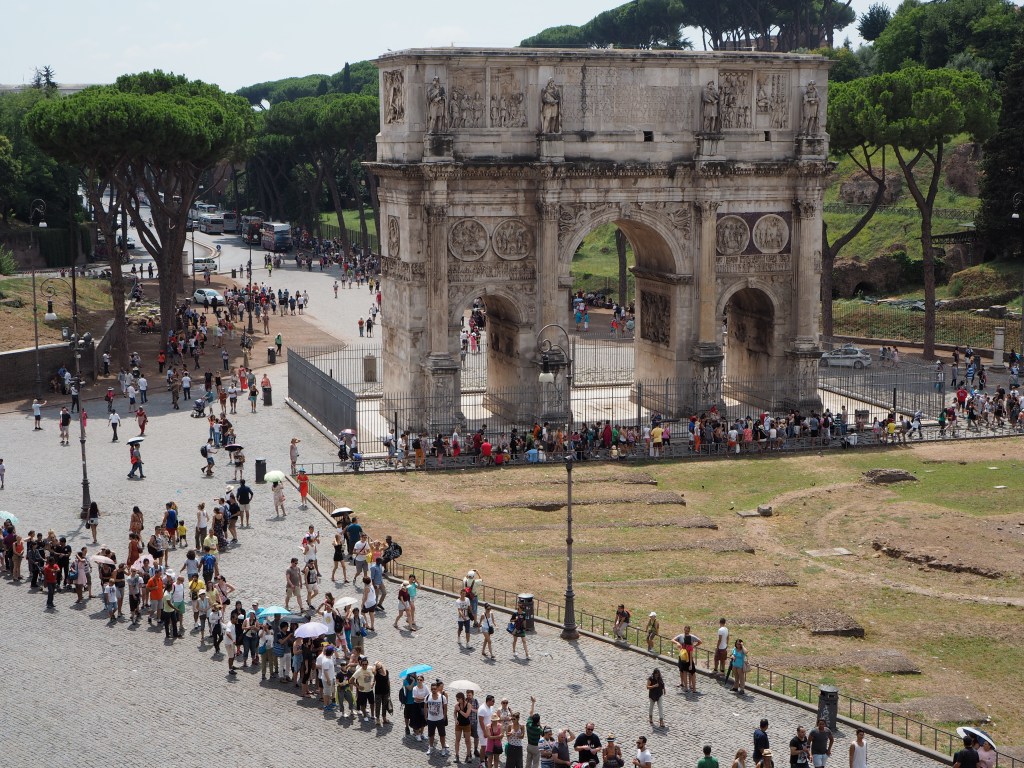
Visitors on the World Heritage listed Colosseum site, RomeCrowds queueing to enter the Colosseum in Rome. Tickets are valid for 2 days for visitors to explore, The Palatine Hill, The Forum and The Colosseum itself plus 3 onsite museums.
Dilenschneider says that cultural institutions need to get real about the barriers to visitation and the excuses which organisations make without really knowing their audiences. Critical thinking, visitor surveying and feedback and the analysis of current audiences would go a long way towards understanding the real reasons that people don’t visit cultural institutions. She believes that admission pricing is not the main barrier and that using that excuse stops these organisations from identifying the true barriers to increasing numbers and diversifying their audiences and which may include the presentation of content to interpret their collections, site accessibility for visitors and the relevance of a cultural institution to the general public rather than its current targeted membership audience.
In saying that, Dilenschneider says that organisations still need to:
Be competitive in their pricing relevant to other cultural institutions and nearby attractions
Have specific events or sessions for low income visitors where entry is free or more affordable
Understand that cultural organisations compete with other recreational activities for “time poor” and “financially stretched” visitors – particularly families
Realise that some people just aren’t interested in visiting cultural organisations no matter how you present to them, and that’s OK.
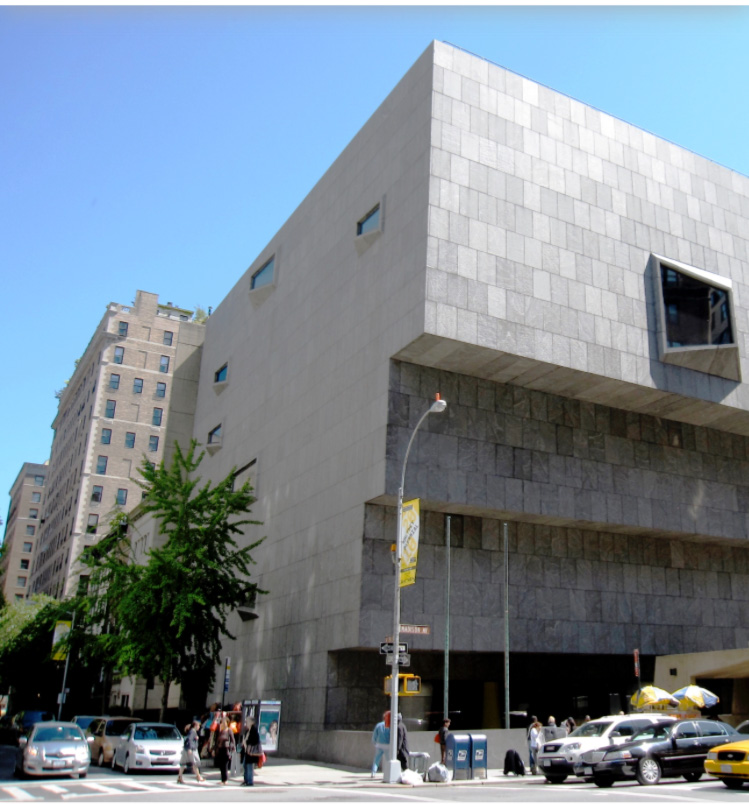
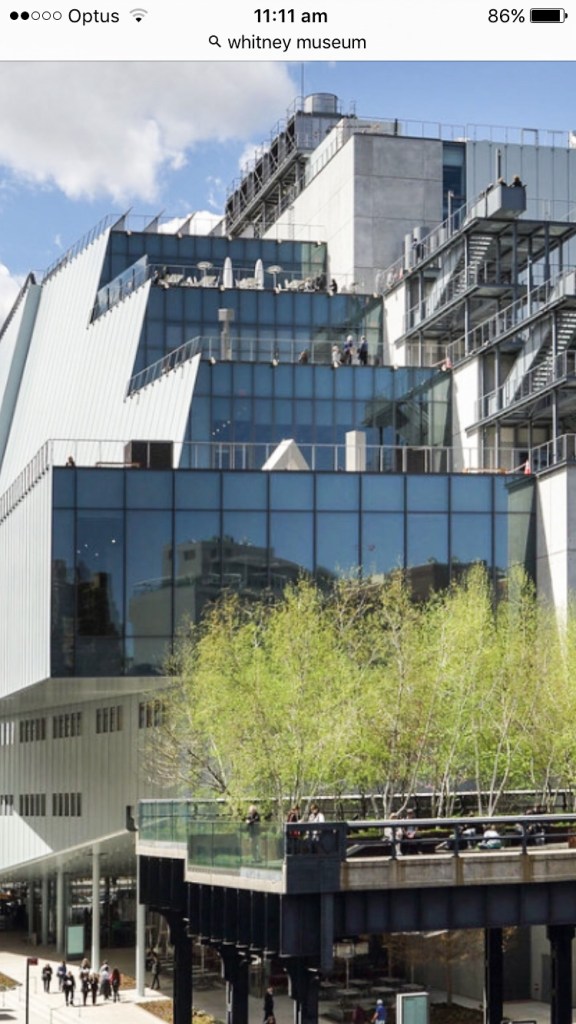
Whitney Museum of American ArtNew York Daily NewsWhitney Museum of American Art
When Michelle Obama spoke at the opening of the new Whitney Museum in New York, she said that for many cultural groups in the community, museums are places that they do not feel welcomed and do not see themselves in. Considering that 9% of core visitors to museums in the US fall into “the minority group” category, that is largely out of balance with the 28% found in the general population. I think that Michelle Obama’s comments would apply to minority groups in cultural institutions anywhere in the world. I wrote earlier about the role of Museums in the 21st Century and the fact that they need to find a “connectedness” to people by championing human rights and social justice issues in their exhibitions. Since these issues often relate to “minority groups”, it would be a great avenue for people to start new conversations and make emotional connections to a cultural institution while exploring its collections which suddenly seem more relevant.
In her article Why Free Museums Matter, Jessica Leigh Hester wrote about Museum Day in the US, where 1200 museums allowed free entry to pre-booked visitors (and a guest) in order to engage different visitors to the museum and shed the reputation that only certain visitors are allowed in the rarified atmosphere of a museum. She explained that Museum Day is part of an ongoing campaign to chip away at the negative perception “that visitors must be a certain type of person” or have “a certain level of education or expert knowledge” in order to gain entry to an art gallery or museum.
In the UK, the Museums Association reported on all the changes brought about by the Government in the eighties to cut funding to museums which meant that some museums could no longer support their free entry policies. In 2001 when funding was reinstated for National Museums in England, Scotland and Wales, the numbers of visitors increased with a hope that different kinds of groups would visit. Data analysis showed that there were more people visiting (or repeat visiting) but that they had the same profile as those that had previously been paying to visit the same cultural institution. MA commented that “It takes imaginative programming and marketing to change an audience profile significantly, as well as sustained development work with communities with no tradition of museum visiting.”
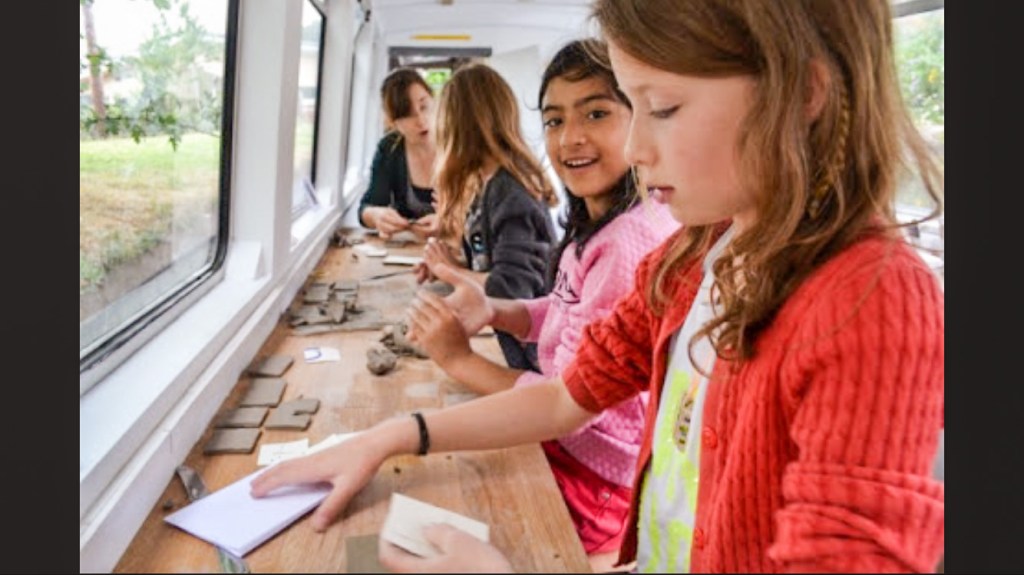
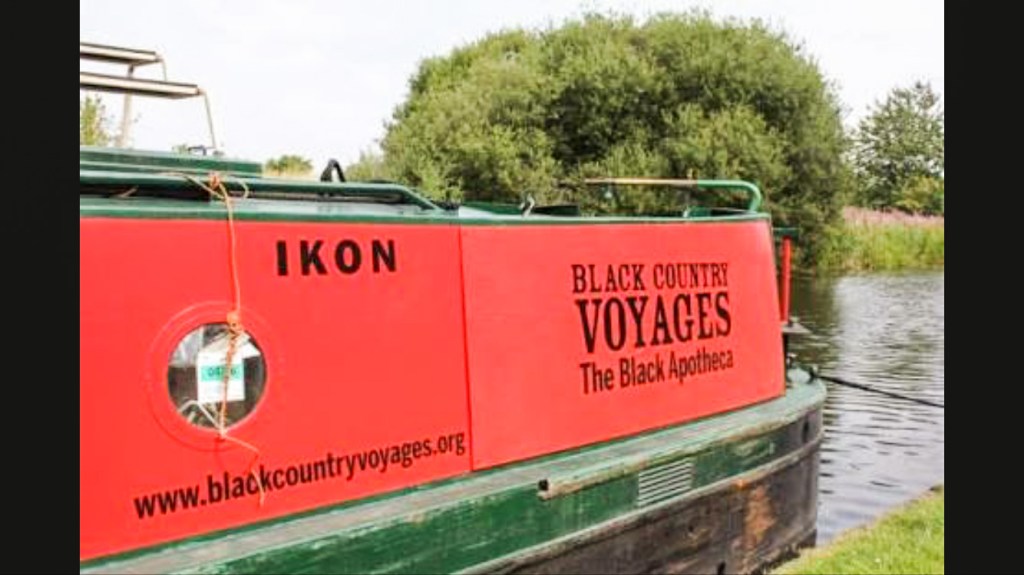
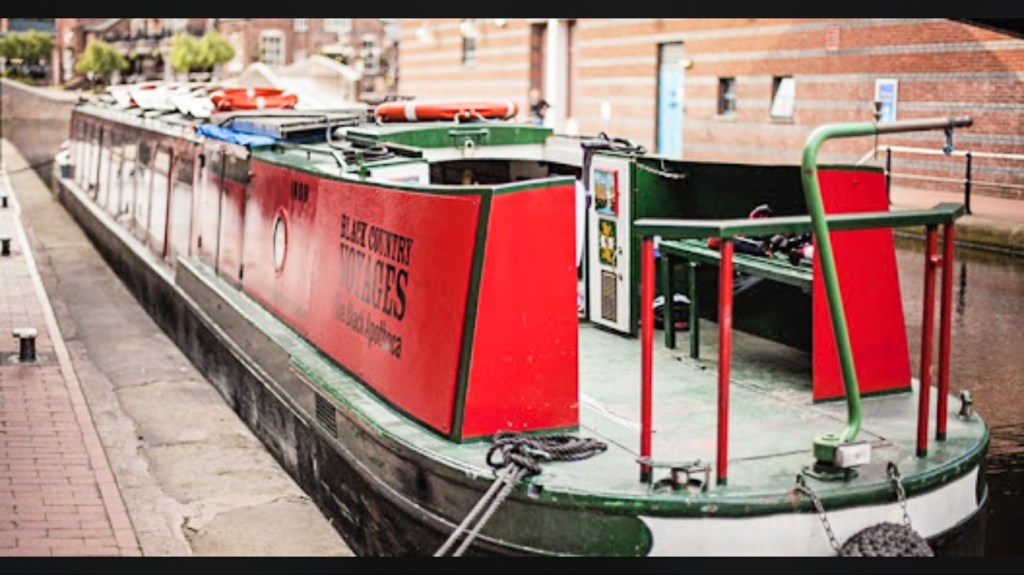
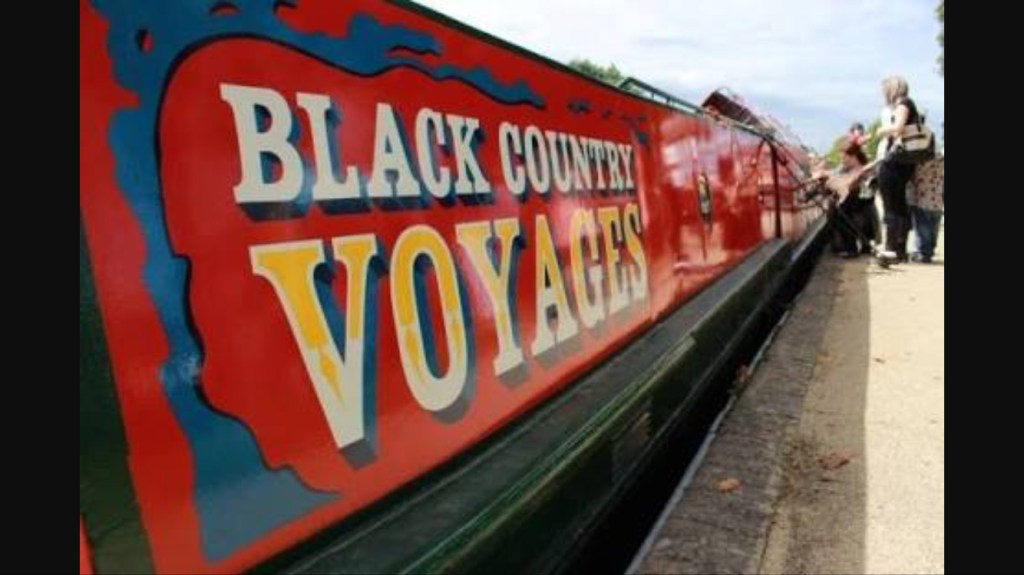
One of my favourite examples of museums increasing the diversity of their audiences is IKON Gallery in Birmingham, UK who began theirBlack Country Voyages Projectin 2014, taking art to young people in the UK Midlands via a canal boat on the Black Country waterways which were used to transport mined coal and other minerals in years gone by. The project aims to build relationships with young people who have previously had no relationship with the Gallery, thus building their audience using both the outreach method as well as running inclusive Family Programmes at the IKON Gallery itself.
Children engaging on board the vessel. image ikon-gallery.orgimage ikon-gallery.orgimage blackcountryvoyages.orgimage blackcountryechoes
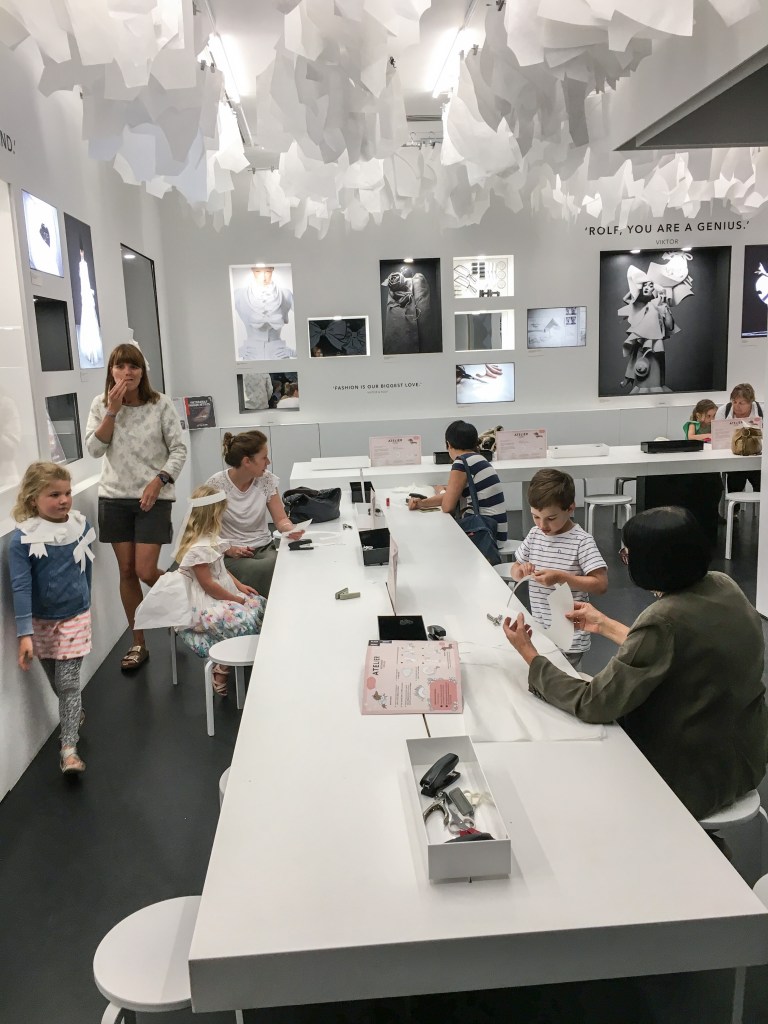
I’m not sure why some people value museums and others don’t but I am sure that if children can connect to museums and art galleries from an early age, then it is a really good way to encourage lifelong learning and feeling good in the museum space as they get older. Something that really heartens me is that so many museums (even those short on funding and resources) have School Programs, Early Learning Programs and Family Programs in place. When I chat to people in the museum space, many adults have come back with children who visited on a school excursion, begged to be taken back and are now proudly showing their parents/carers around. I often see people with prams, kids doing art classes, vacation care groups inside the museum, which was definitely not the case when I was growing up or when I tried to visit some cultural institutions when my own kids were small.
Sydney Aquarium
Kids activity sheets, interactive stations and audio tours for exhibitions are springing up everywhere. Kids invigilators, teacher guides and child focussed volunteers can really make a visit something to remember. These kinds of activities should be affordable for all socio-economic groups. I understand that not everything can be free because staffing and materials for children’s activities can be quite expensive but there should definitely be a focus on price for this sector if cultural institutions want to attract a different kind of visitor.
Another reason to focus on this sector is that I’ve identified a shift in visitation for the “apartment dwelling” family particularly in the inner city of Sydney – close to some of the major cultural institutions. Many parents/carers are bringing younger children into the museum on a weekly or fortnightly basis since there is no room at home. In the near future, it won’t be sufficient to run just school holiday or weekend activities. Next generation visitors will need access to space which offers new and different things to see and engage with on a regular basis. There are all kinds of possibilities for such a space – from the typical dress ups and books, to collection access, to craft activities or age appropriate digital engagement areas. These repeat visitors would gain great value from a museum membership but if museums don’t deliver and make people feel welcome then they will be looking for a new places to go with their children.
When I am physically in the museum space, whether observing or surveying visitors, people always talk to me and ask me questions. I have no doubt from my observations that people like to see museum staff on the floor. It doesn’t matter whether the museum arms people with maps, touch pads, audio tours or text panels – visitors like to talk to real people. They have questions, they want directions and most of all they want to give you feedback about the things that they are seeing and doing in the museum. They want to tell you what they do and don’t like, they want to tell you what you are doing well, what should be on display, and they want to tell you about other museums doing similar things better than you are.
I don’t think that this is a bad thing. Museums need to know their audiences, and they cannot possibly know them if they don’t do a little face to face work, rather than just counting numbers through the front door or in specific galleries. Exhibitions need not be static places. Even if the exhibit layout is “perfect” from the curator’s viewpoint, there will always be room to tweak the exhibit in some way – whether it’s a text panel/ label, training “front of house” staff and educators/guides about a new exhibition space, doing continuous maintenance or just ensuring that museum visitors are making the most of any exhibition or permanent gallery on any given day.
I have seen many “front of house” staff appear exasperated that visitors can’t find their way around an art gallery or museum – even with a map. The fact is that maps are prepared by people who are familiar with the workings of a particular space and so a map already makes sense to them. In reality, people move through museums and art galleries intuitively and so it’s better to build on that natural movement or provide them with really clear directions via gateway text panels and objects or pathways within the space.
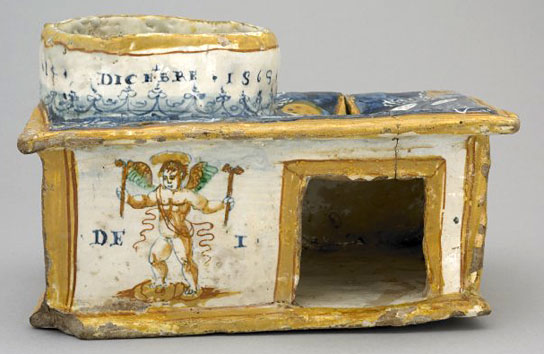
British Museum. Earthenware Candle Box/Holy Water Box. 1565. Siena, Italy.
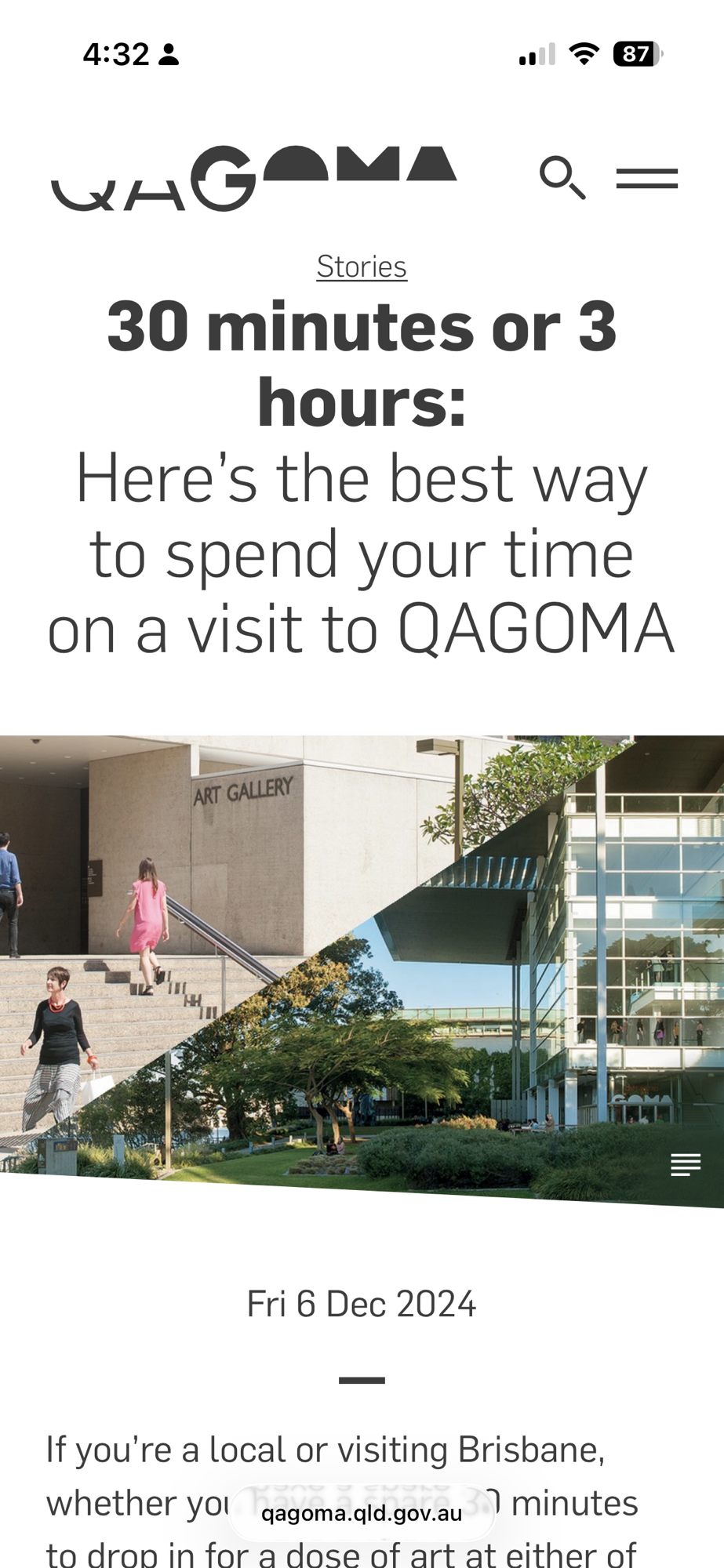
The British Museum offers many “plan your visit” tools on its website. A couple of options use “gateway objects” as an effective way to lead audiences on a 1 hour or 3 hour trail through the museum.
These objects grab the viewer’s attention and give visitors a sense of the gallery’s space and themes without requiring them to read every label. With smart design, anyone entering can instantly follow a path of key pieces through the gallery, no map or exhaustive reading needed, to grasp the purpose of the space.
The same technique could be used for the whole museum and not just for a specific exhibition or permanent gallery. It isn’t as important for members or frequent visitors but for the unfamiliar visitor or one-off tourists, it could be the key for them to sample what’s on offer at the museum without having to struggle with maps or having to read every text panel which often results in “museum fatigue”.
A great article in Hyperallergic spoke about an interactive mapping approach by students in the School of Visual Arts’ MFA Visual Narrative program. The students developed a number of creative, interactive maps for the Metropolitan Museum of Art which look way more interesting than the map in the link on the MMA website. Interactive maps are great, but I don’t think that I’ve come across a museum yet with perfect access to free wi-fi in every room. It seems to be either intermittent or timed for 10 minutes or have some complicated temporary sign-up method (even worse if you don’t speak the language and are navigating with Google translate!).
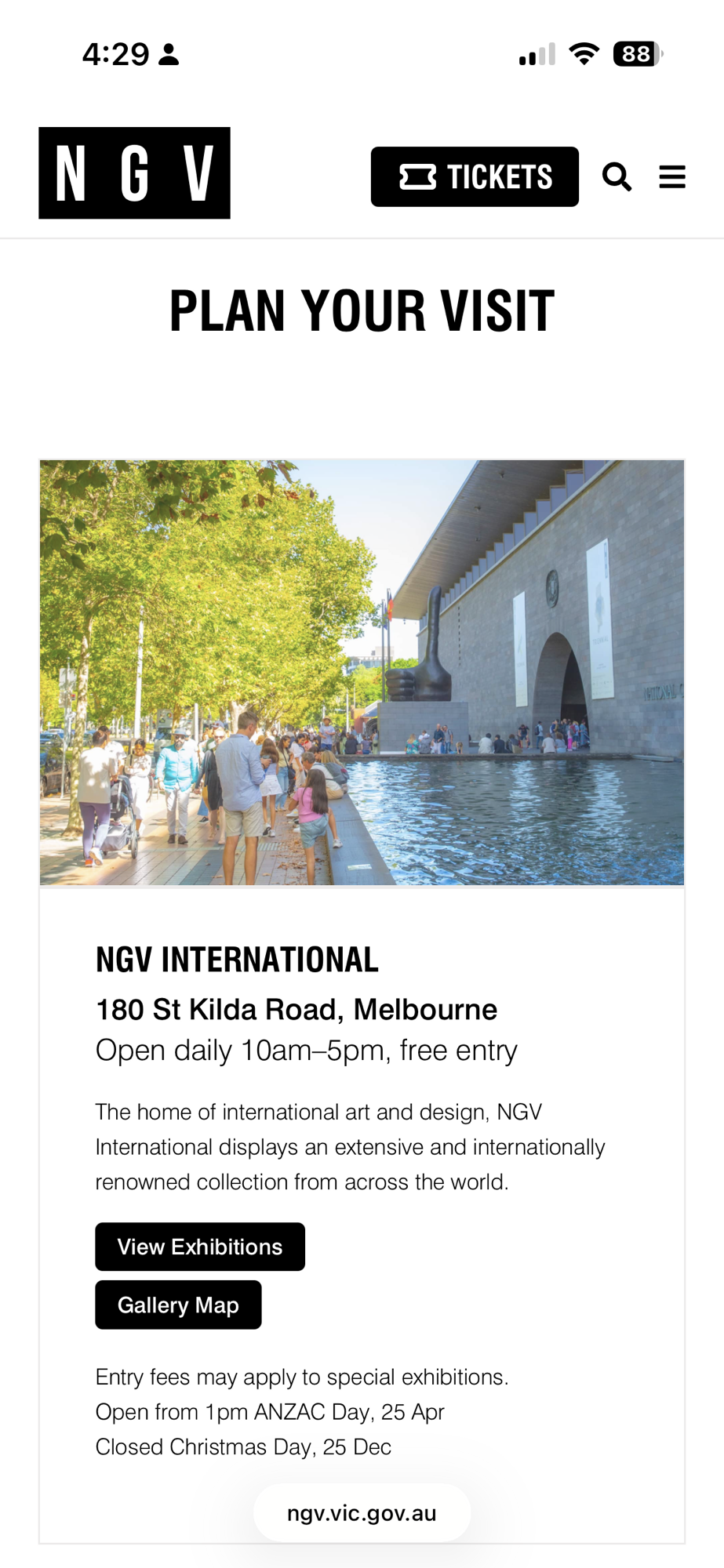
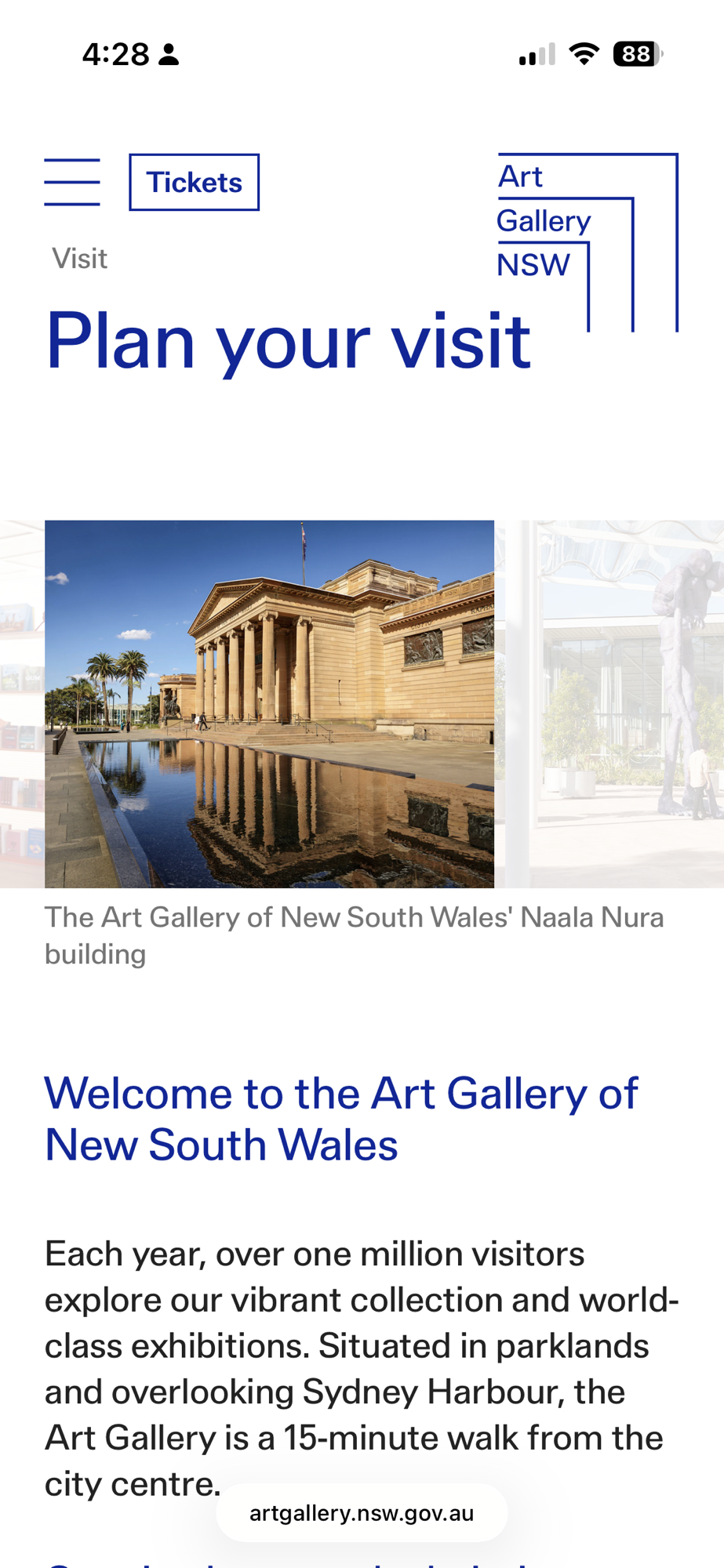
Since Covid, most museum and art gallery websites have enhanced their “Plan Your Visit” features, and more importantly, digital access to collections has greatly improved. Offering a “Taster Tour” for time-poor visitors is essential to give them at least a glimpse of the museum’s vision and collection. With better digital support, they can continue exploring online after their visit, at their own pace, if they can’t return in person. Floor staff can further enrich the experience by offering directions or insights into the displays and highlighting the significance of certain objects in the collection.
Government funding cuts affect all Australian museums. Museums are always looking for a point of difference – to produce newer and more engaging exhibitions to claim a larger share of the tourism/leisure sector dollar. They aim to increase their revenue by growing visitor numbers, partnering with corporates and attracting new sponsors to work with them into the future.
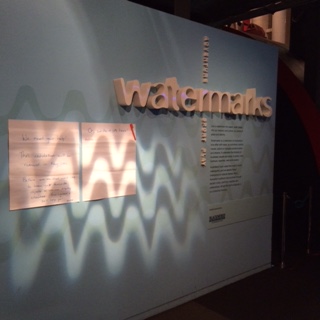
Entry to the Watermarks Gallery
When a permanent gallery is no longer seen as an attractive option for visitors, it is important to reflect on why it may have lost its pulling power with audiences before we throw the baby out with the bathwater. A case study for discussion is the Watermarks gallery at the Australian National Maritime Museum which will be replaced by a new permanent exhibition in late 2016 / 2017.
A study of the Watermarks gallery looked at the visitor response to both the objects on display within the space and the layout of the gallery. Museum visitors were observed over two weeks during school holidays which resulted in several findings about the space.
Firstly, 17 guided educational tours had been developed by the Learning and Education team in Watermarks for school groups. Each tour was designed to address criteria outlined in the Australian National Curriculum Guidelines (for Kindergarten – Year 12), looking at – waterways and the environment, Australian colonial history, Australian history in general,
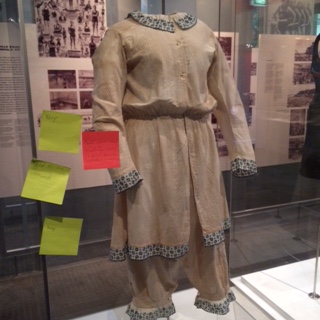
Post-it note experiment in Watermarks Gallery
maritime archaeology, navigation, identity, transport, swimwear and textiles. The objects within the space offered good sensory, emotional and educational possibilities to connect with the past but without the guided educational tour, their significance seemed lost in the flow and layout of the existing gallery which left self-guided visitors disengaged. A simple experiment was conducted with Post-It notes. Visitors were asked to tag their favourite objects and write on butcher’s paper about the thematic areas that they felt should remain on display and intact within the museum (or possibly in a travelling exhibition for other museums/galleries). As a result, visitors spent longer in Watermarks, engaged more with all of the objects and voted strongly for certain objects and sections which should be kept on display.
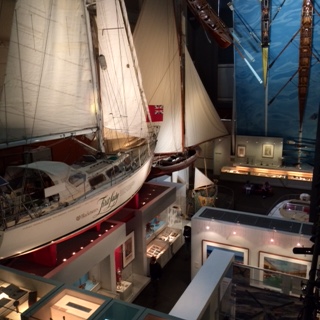
Gallery from above
Secondly, there were four entry and exit points to the exhibition which resulted in many visitors not understanding the original inspiration for the gallery which was “Australia’s ongoing relationship with water” viewed through the themes of Swimming, Rowing, Regattas, Sailing, Surfing and Indigenous Australia. In a gallery with so many entry and exit points, I observed that three simple solutions could have been applied to help restore the intended narrative:
reduce the number of pathways through the space
label every entry point with a text panel which reflects the inspiration for the area and its relevance for the gallery
ensure that each themed area has a narrative of its own which can stand alone and yet remain connected to the original Watermarks interpretation.
Thirdly, it was noted that the digital components of the gallery had great content but were not necessarily in optimum positions within the space to show off that content. For audiences to successfully engage with the digital components of any exhibition or permanent gallery, it is critical that:
Audio Visual (AV) stations and touch screens are working correctly
AV stations are well positioned
For substantial content, e.g. films lasting several minutes, that seating is available for the viewer
Text panels supporting the AV stations provide sufficient explanation on the way that the station should be used. For example, films may be self-explanatory whereas other interactive stations may require a little more context for their optimal use.
Finally, museums and department stores have traditionally had comparisons drawn when it comes to aesthetics and audience engagement. Perhaps museums could learn from the mistakes of the department stores in the current economic climate. It may be that cutting floor staff numbers will not necessarily increase profits. My observations in Watermarks have only strengthened my opinion that many visitors like to see the presence of facilitators, invigilators, educators, security or guides in the gallery or exhibition space. I have observed that visitors:
stop to ask questions or for directions or assistance
might ask for extra information about a display or gallery
might have their own narrative to share triggered by seeing an object in the space
may have feedback for the museum about their visit.
It seems a pity when the audience is captive in the space, not to utilise that opportunity for engagement and feedback and to build relationships with the public, particularly when museums and galleries are striving to be “must see” destinations. In short, even if a gallery appears to have lost its pulling power, it may still have one last lesson to give museum staff before its removal.
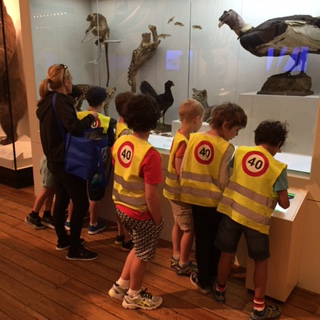
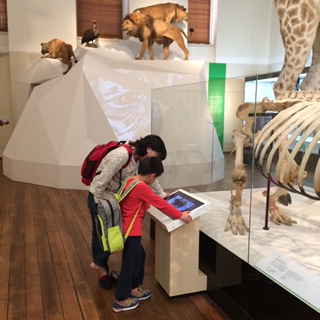
It seems funny that in the “information age” when museums are trying so hard to add a digital dimension to their galleries that I heard a Grandmother say to her grandchildren that they were “forbidden to touch the digital screens” in the Wild Planet gallery of the Australian Museum. I noted that the children were behaving badly and were fighting over the touch screens but the issue was really about the Grandmother’s frustration at the children not seeing her view of the museum space. She was trying to tell them about the specimens and wanted them to study each object and the text panels on display but instead they ran ahead, excitedly looking for the next touch screen and were not engaging in the way that she wanted them to.
Vacation Care group visiting Wild Planet with museum invigilator
Does it matter? Yes and No. Yes, it matters that the Grandmother has misunderstood the benefit of the touch screens and the intent of the Australian Museum curators who used them to provide context and enhance the visitor connection with the taxidermy objects on display. Perhaps she has also misunderstood what the children were doing with the screens – that they were using them to learn. No, it doesn’t matter because visitors arrive at the museum with their own agendas and personal experiences and expectations of the visit regardless of what is presented by the museum and the original intent of the museum curators and designers who created the exhibition.
Jordan Shapiro’s article on on Kids and Screen Time talks about the changing attitude of the American Academy of Pediatrics towards screen use and the fact that they found no real problem with children having unlimited screen time because technology is “the way of the future” and that “digital content can enhance the learning experience”. However the article does not discuss the kinds of issues that families worry about – like screen addiction and the overuse injuries occurring in some children who do not seem to be able to self regulate their use of digital devices. For many families, TVs and screens occupy a fair chunk of their children’s day, and so a trip to the museum is actually an opportunity for a different kind of experience with the family interacting with one another in a fun, learning environment.
I’ve read some interesting articles on the subject of digital museum exhibits and audience engagement. Two articles in particular from 2014 that I have linked to are related to each other and extremely relevant when considering the use of digital engagement tools in exhibitions. The first is a blogpost from the V&A in London by Andrew Lewis titled – What can we learn from watching groups of visitors using digital museum exhibits? This post considered research carried out at the V&A and Natural History Museum in the UK, using direct observation of visitors within both museums as discussed in – “Cross-disciplinary frameworks for studying visitor experiences with digitally mediated museum exhibits”. The research was carried out by Theano Moussouri and Eleni Vomvyla of UCL Institute of Archaeology and Sara Price and Carey Jewitt of Institute of Education Culture Communication & Media (London Knowledge Lab) Institute of Education.
Family friendly options for learning in Wild Planet
What I like about the research is that it isn’t just counting the numbers of visitors entering an exhibition. It is based on observing visitor behaviour with a range of digital exhibits and collecting visitor feedback to extract concrete evidence about the motivation of visitors interacting with digital displays as well as their experience in finding meaning from the digital tools being used in the exhibition. Such information can then be used to tweak an existing exhibition or inform the design of a new exhibition with digitally interactive components.
Audience research and visitor surveys are important feedback mechanisms for any museum or gallery serious about their digital engagement strategy in the twenty first century.
I support the digitisation of museum and gallery collections. There are so many places that I’d like to go to but realistically I won’t have the time or money to travel to all the destinations that I have on my bucket list. Enter the digital museum. Museums with a strong digital presence allow the virtual visitor at least some entrée into their collections. When collections are digitised it also assists researchers access to a wealth of new information to study without them ever having to leave the comfort of their own home.
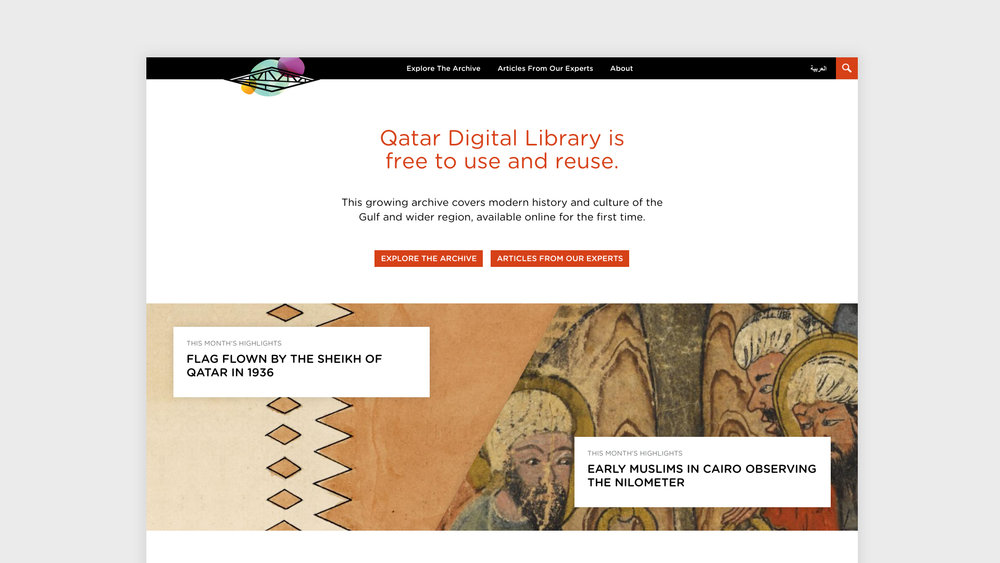
One of the best stories that I’ve read recently was in Cosmos Magazine[1] which reported on The British Library Qatar Foundation Partnership launching the Qatar Digital Library – a new bilingual, online portal which provides access to previously undigitised British Library archive materials relating to Gulf history and Arabic science. Their vision was to prepare the people of Qatar and the region to meet the challenges of a changing world by leading innovation in research and education[2]. (See Fig 1.)
Fig 1. Home page of Qatar Digital Library
The British Library (in London, England) has amassed one of the world’s greatest research collections and with the Qatar Foundation has undertaken a huge project to digitise more than half a million pages from their collection consisting of images, manuscripts, maps, sketches, personal archives and East India Company Office Records. The project is an ideal example of the role of the contemporary curator who as part of a project management team of curators, cataloguers, conservators and digitisation experts works to create a valuable online digital resource[3] from a significant collection of objects located in the British Library. The Qatar Digital Library[4] aims to bridge the gap between past and the future by providing access to information about the history and heritage of the Gulf and Arabic science. Before digitisation, researchers would have manually searched a printed catalogue or physically visited the library to access a particular item which would then be retrieved from the archives.
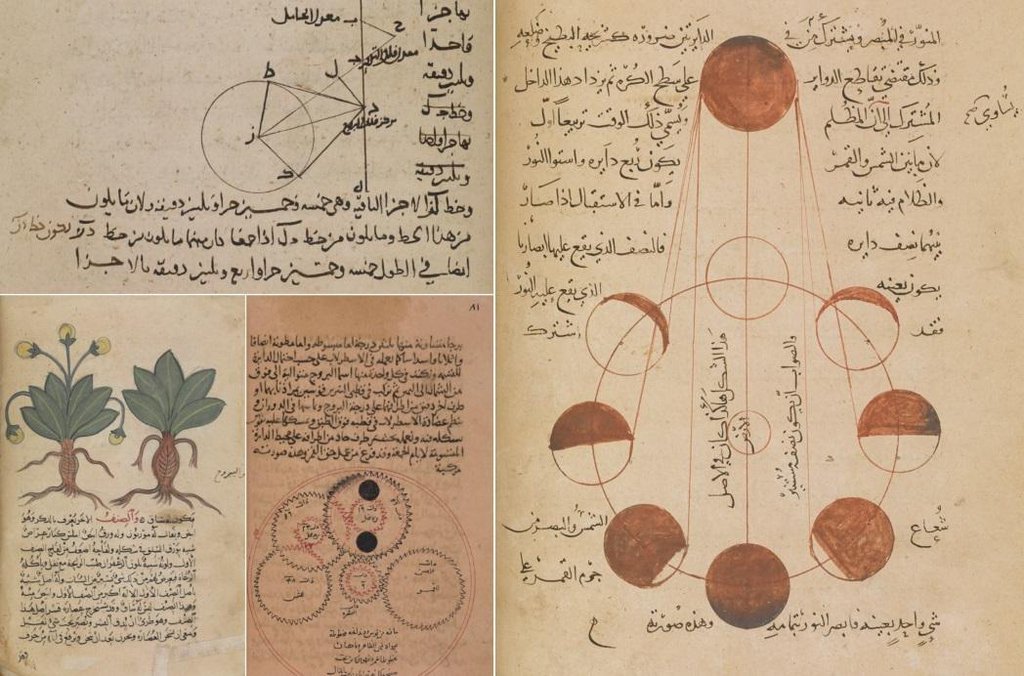
The web-based, interactive, multilingual information is more searchable and accessible for new audiences in Qatar, the UK and other online researchers and hopes to inspire new forms of interpretation from the original historic documents. The project has created high quality contextual and interpretative material to facilitate the use and understanding of the digitised content. Digital technology has provided a platform for the discovery of history from the gulf region by allowing access to the original primary source scientific documents in Arabic which can be reinterpreted in the future without physically visiting the British Library.
As part of the process, the curator has taken primary sources, such as a photograph album, showing the everyday life in Afghanistan (social, architectural, trade) during a one month period, and digitised the pages allowing the voice of the object to come alive for the researcher. Supporting text has been added to contextualise the objects for the online audience in the same way that they would be supported by curatorial staff in the British Library.[5]
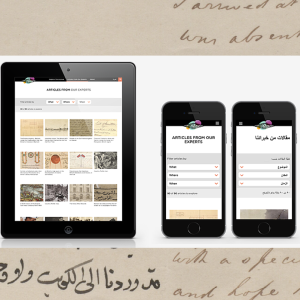
In order to encourage new audiences, the project team has actively tested the portal with possible users such as academics, archivists and young people, to find out what they need from the content and how they would use the collection for their own purposes. The feedback has been used to create a better system. The online catalogue is intuitive and researchers will be able to access the collection more easily than the original objects in the British Library. Evaluation of the new website will be carried out to determine the project’s success by measuring website users, site feedback, media coverage and other Key Performance Indicators.
[5] Some of the information cannot be accurately interpreted without advice on the circumstances in which the records were created which is normally provided by archivists in the reading room at the British Library. Links to related material may also be provided by the curatorial staff in the British Library.
So many well regarded museologists have spoken about the role of museums in this century. Nina Simon is a strong believer in museums working with their communities, Ed Rodley writes about the museum as contact zone and debates the museum models for “traditionalists” versus “progressives”. Seb Chan believes that museums are playing catchup with their digitisation programs and that it is important for museum staff to reinforce the value of the physical visit in all the thinking and planning for their visitors.
I recently participated in a MOOC (a free Massive Open Online Course) by the University of Leicester and Liverpool Museums – Behind the Scenes in 21st Century Museums. The course built on some of the thoughts and issues discussed in articles by Simon, Rodley and Chan – such as growing museum audiences, creating emotional connections between visitors and collections/exhibitions, as well as the role of museums in starting conversations about social justice, human rights, health and well being etc.
When I consider all of the information above, the word that summarises museums in the 21st century for me, is “connectedness”, and the relationship of each museum to its audience. You can examine any of the issues raised above and in every case, it’s about having flexible ideas and staying connected to your audiences, no matter what museum model you are channelling. An article by Holland Cotter from the New York Times in 2015 discussed the fact that there is no single museum model and that museums will be defined by “the role that they play as a shaper of values” and “the audience that they attract” rather than just their architecture and contents.
What are Museums in the 21st century?
⇒Museums are about – vision, collections and exhibitions, context, meaning and shaping community values.
⇒Museums are connecting to the public in many ways, through –
Community
Digital interface
Architecture
Collections and exhibitions
Physical location
Physical visits
Educational programmes
Acting as the contact zone for conversation between divergent groups
Addressing social justice, health and wellbeing issues
Growing audiences
Strategic marketing and publicity
To achieve all of the above, the financial and time commitment by museum management behind the scenes is huge. The many hours required to maintain collections and exhibits, develop educational programmes, design and curate exhibitions, streamline security, IT and the Front of House interface, maintain social media presence and continue with the digitisation of collections, train paid and volunteer staff and build membership and audience numbers can often be underestimated because this work isn’t “seen” by the public or “understood” by government funding bodies.
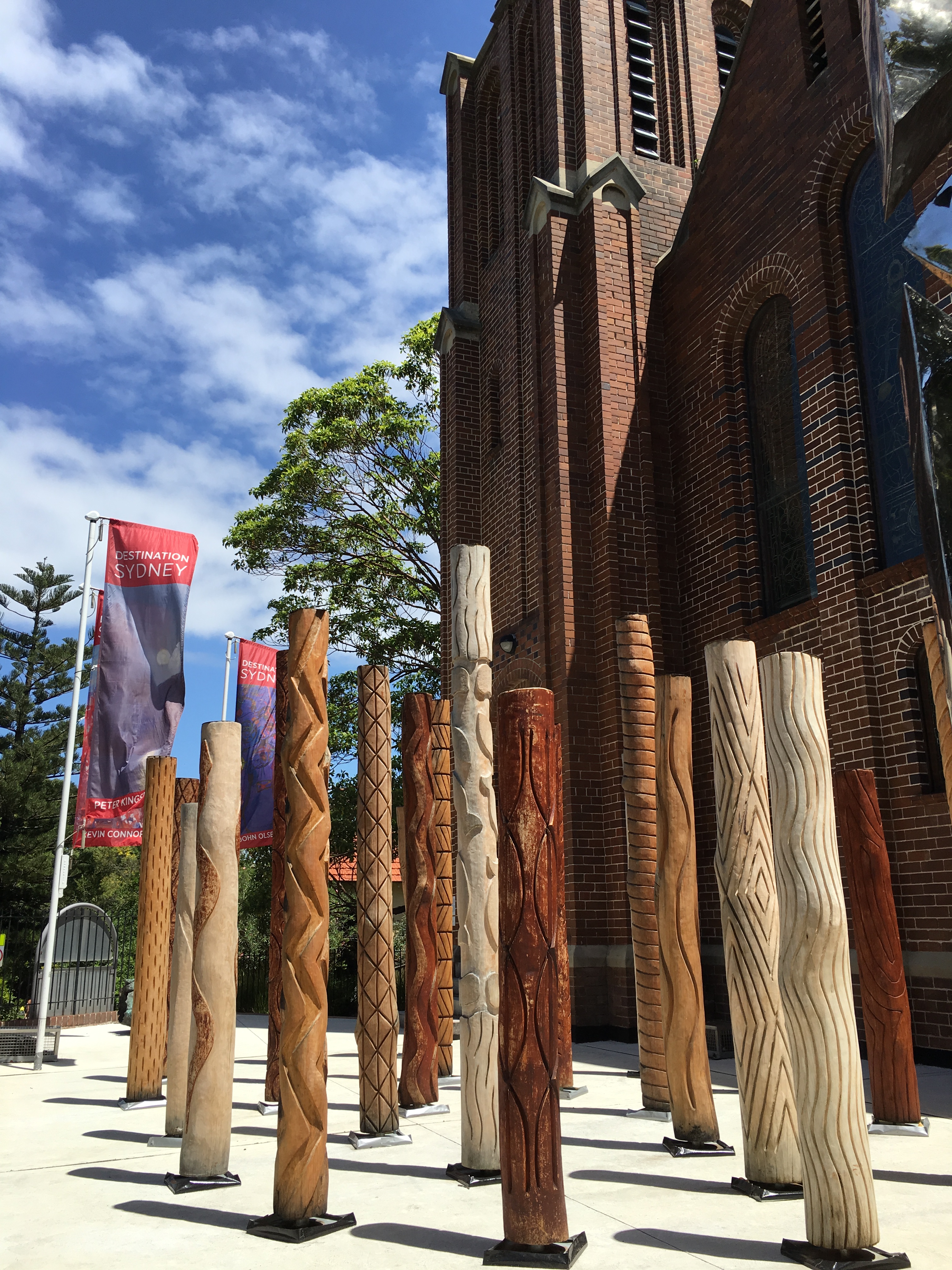
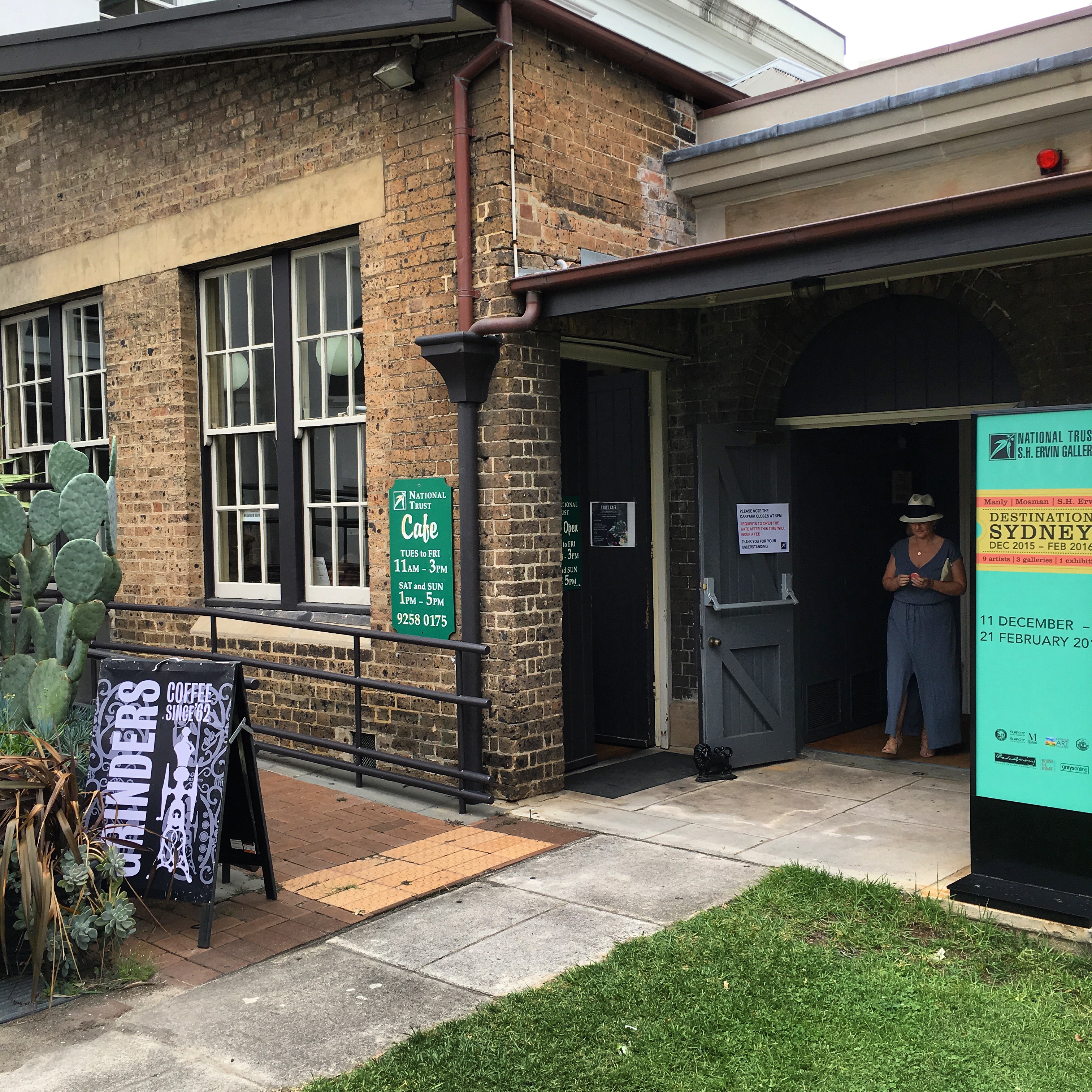
Destination Sydney at S H Ervin Gallery, Observatory Hill
It’s good to see some of the smaller Sydney museums pulling together to create an exhibition such as the recent Destination Sydney at Mosman, Manly and the S H Ervin Galleries. They used one curator to create an exhibition which could stand alone in each space, but combined showed 9 iconic Sydney artists drawn from major private and public collections. According to a report by Museums and Galleries of NSW the exhibition drew a much larger audience for all three galleries and greatly increased retail sales. Another report on the UK Museums and Heritage website talks about the collaborative work being done by museums in Bath to gain a greater market share of visitors to the region which has a number of heritage attractions competing for local and tourist numbers. Jointly the museums have worked to develop audiences, engage community and be more strategic in their marketing and publicity in order to create a more sustainable and resilient museum sector.
It’s hard to predict the future for museums, but constant introspection and learning from the experience of others goes a long way to ensuring that visitors will keep coming through the doors.











 Museum Whisperings