When Paul Knight addressed the National Trust election forum late last year, he encouraged a new approach when considering Aboriginal cultural heritage. As I read his words, I saw that it applied not just to Indigenous Australian cultural heritage but on thinking critically about Australian “cultural heritage” in general.
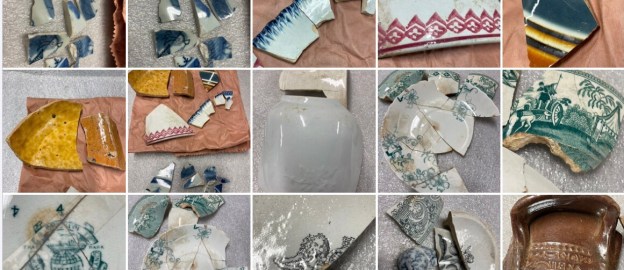
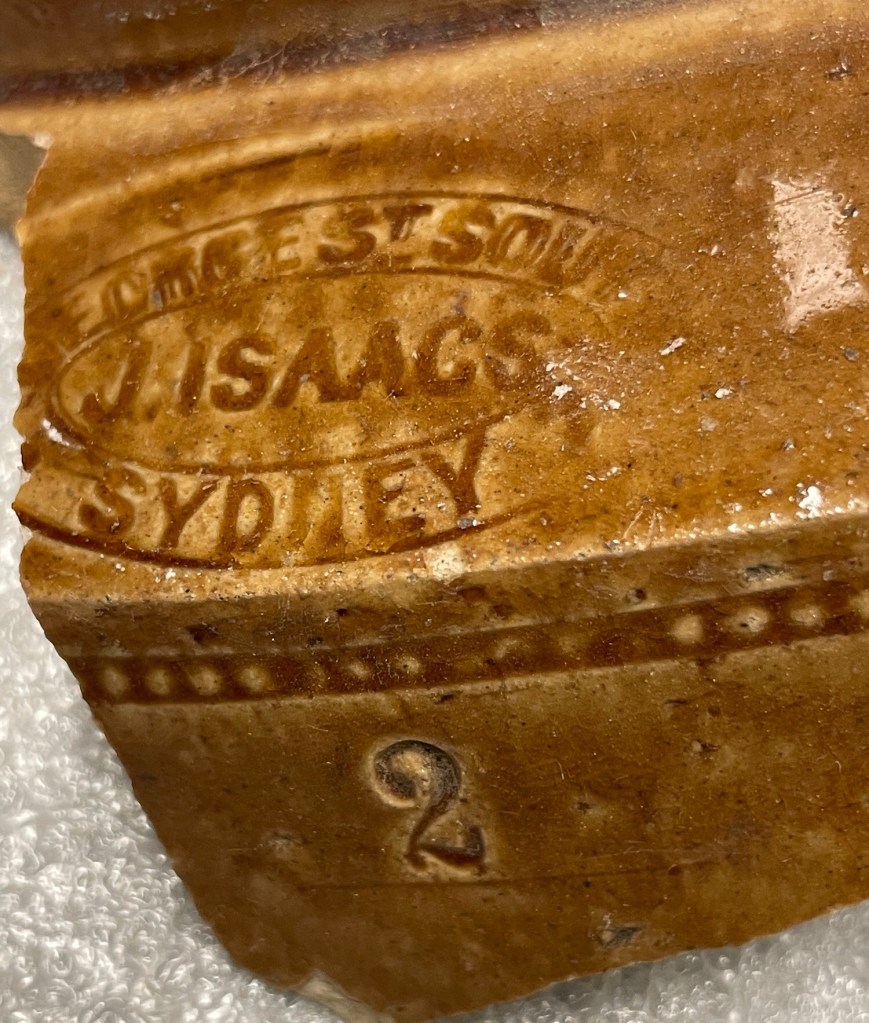
What can archaeology tell us about the past and people who used these items?
Knight states that it isn’t just the buildings and objects that matter but rather “ the stories of place, the stories of people and the relationship that we have with that place”.
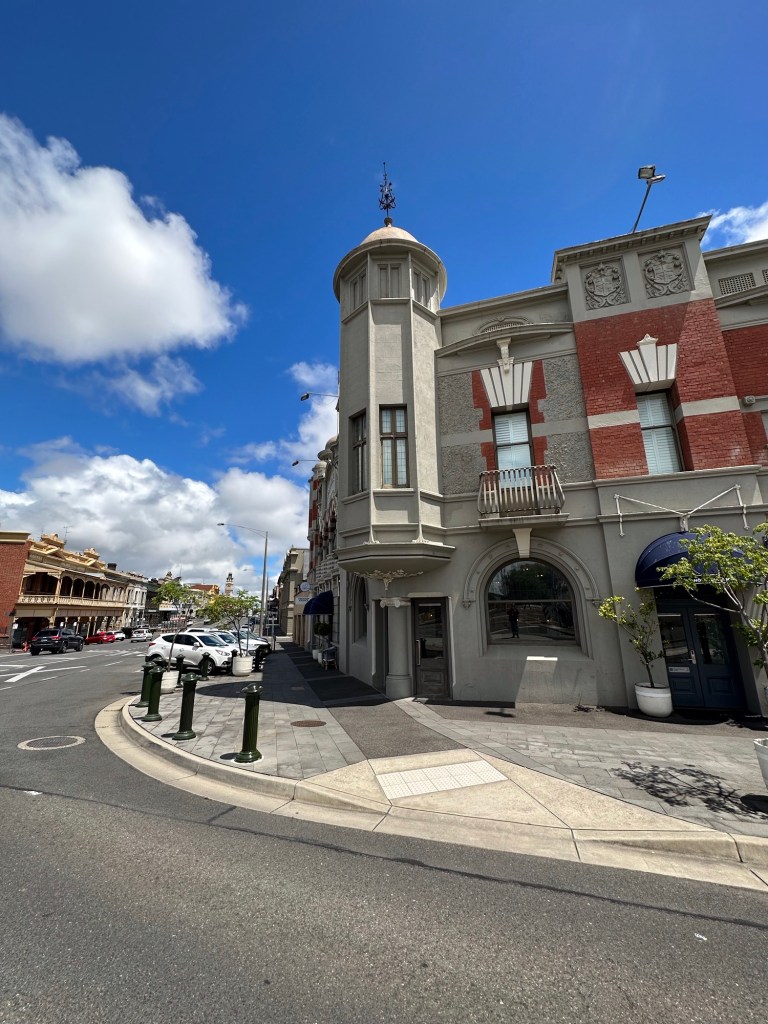
There are significant and great losses of cultural heritage from every layer of Australian history – Indigenous, Colonial and Multicultural. When you dissect the outcomes, it is so much more than just a loss of a habitat or a building or an object – it is that every single loss becomes magnified in the context of a much larger jigsaw of place and/or landscape. How does the destruction of heritage buildings or removal of a group of trees change the feel of a street or the city CBD or the suburb that we live in or indeed the landscape that they were once part of? Imagine The Rocks in Sydney CBD being flattened and replaced with high rise buildings. How much harder would it be to tell the stories of early Sydney town without its original streetscape? How wonderful it is to be able to visit the towns of Indigo Shire and Ballarat in Victoria which exhibit intact cultural heritage (houses, gardens, historic buildings) as a backdrop to the stories of Australia during the gold rush times.
The City of Ballarat, Victoria. Heyday in the 1850s from the rich alluvial gold deposits.
Knight talks about individual sites and their connection to the greater surrounding area and that loss of context and connection impacting upon the total heritage landscape. It’s so true. As we redevelop and clear and subdivide and dig – we permanently change not only the surface area of the landscape (whether forested or built) but the archaeological landscape below the surface. The eventual “cover up” causes irreversible damage and may include the loss of the evidence to tell “tangible” stories attached to the history of that place. Archaeological finds are so critical for research and interpretation of the past lives lived right under our feet.
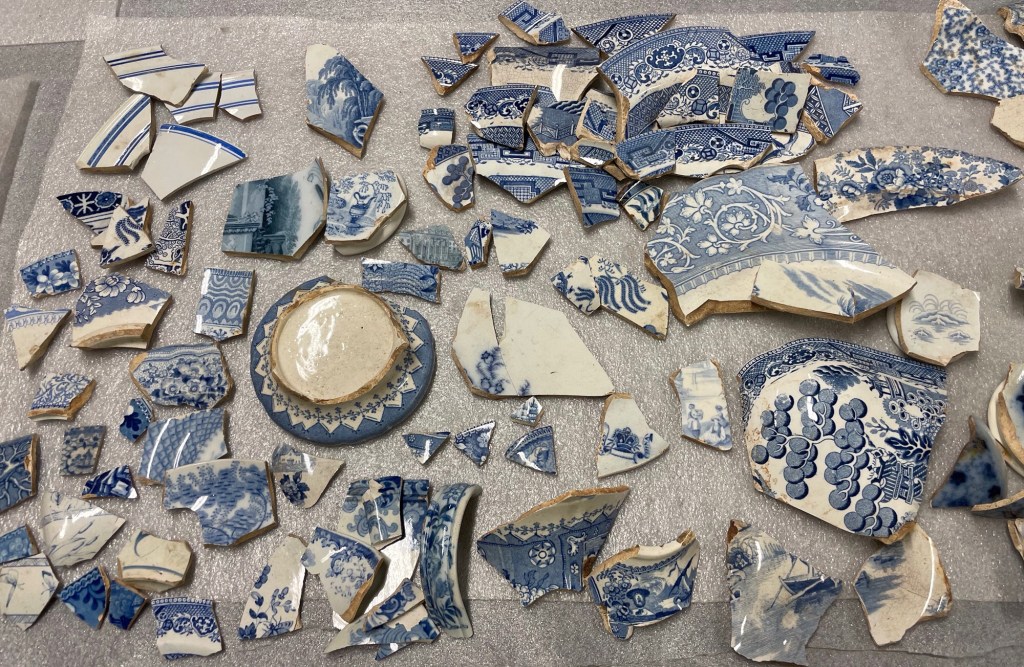
So many patterns and types of blue and white ceramics from a single archaeological find in Parramatta, NSW. What story do they tell?
Indigenous Australians talk of their connection to “country” and being custodians of the land – I really get that. We need to pay attention to this way of seeing Australia – not only being connected to the landscape but to the built environment and other layers of Australian history (“warts and all”). We must all adapt to a different way of thinking – realising that we are all the caretakers of our cultural heritage and are just passing through. For future generations there needs to be stories and a connection to the past. We must ensure that we protect all the layers of cultural heritage and rethink the model of protection for individual sites and objects and assess them as part of the whole heritage landscape rather than case by case examples.
Heritage Legislation is critical in ensuring that Australians are custodians of their own history. We all need clear guidelines about the ways we can protect the past at both state level and a national level and including shipwrecks and our sunken past off the coast.
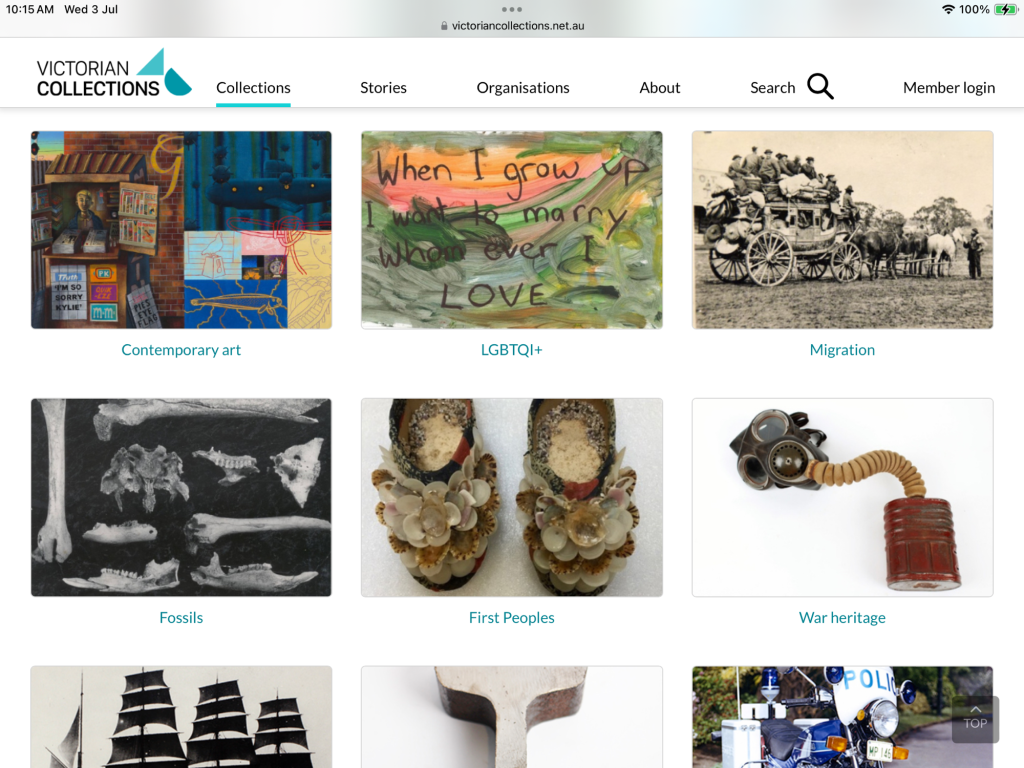
The State of Victoria has lead the way educating us about the past by building its Victorian Collections Platform – cataloguing and interpreting archaeological and heritage finds. The information is accessible to everyone online. Food for thought?
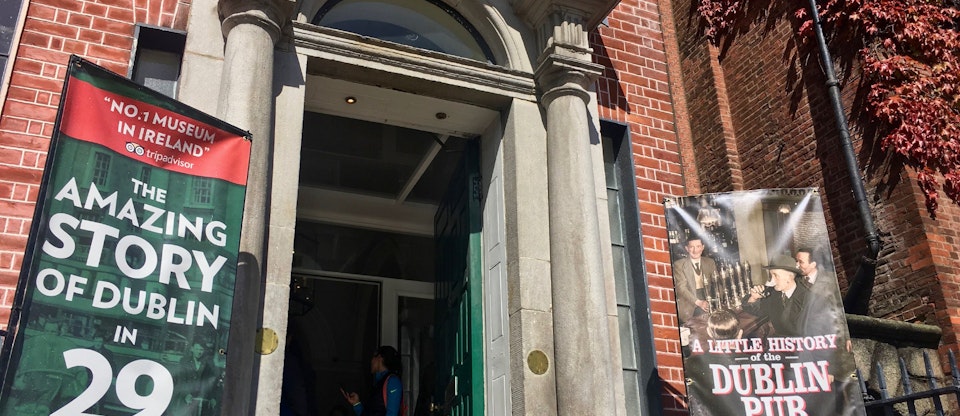
The Little Museum of Dublin. Picture by Lonely Planet
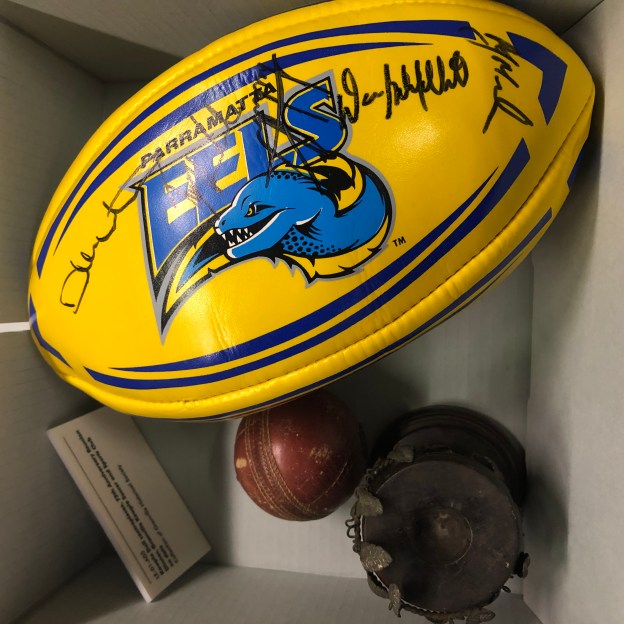
What I know about Parramatta is that it’s not just about stadiums, new high rise development, Parramatta Eels and Western Sydney Wanderers. In my opinion, the City of Parramatta has a rich cultural heritage which could be a more significant tourist attraction and contribute greatly to building the community and economy of Western Sydney.
The City of Parramatta Council has a culturally significant collection of objects and archives dating back to the earliest days of council (1861), and archaeological evidence dating back to much earlier times. Parramatta’s historical layers provide the perfect inspiration for its own unique museum which I’m calling “The Museum of Parramatta”, not to be confused with the new MAAS Museum (which is a completely different concept) coming to Western Sydney in the future.
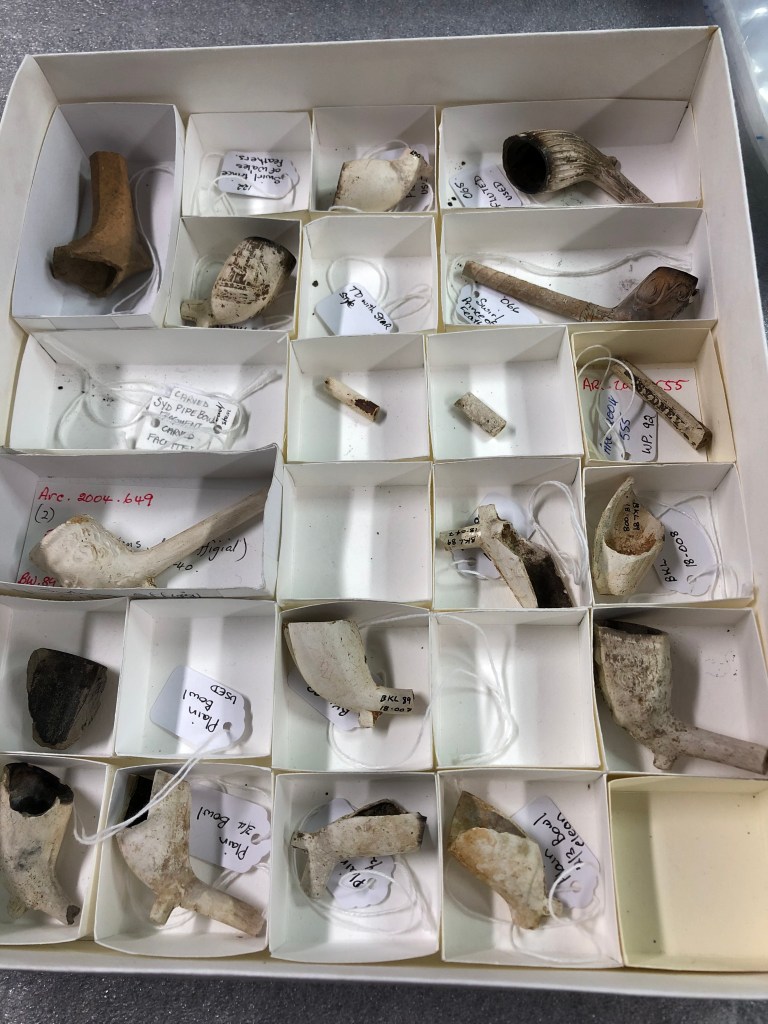
Kaolin Pipe stems and bowls from the collection of the City of Parramatta
In my mind, Australia has three distinct layers of history which make it what it is today. It is too late to undo the colonisation of Australia by the British, but we can look harder at our history, dissect it and present it in new and better informed ways. History is not fixed – it is open to further research and interpretation from primary sources and definitely open to further discussion. I would say that the City of Parramatta is the perfect place to examine and discuss Australian history by exploring further its Indigenous layer, Colonial layer and its waves of migration or the Multicultural layer.
I envisage that The Museum of Parramatta would use 4 spaces to present the Parramatta story – past and present – a story of its First Nations people dating back 40,000+ years, to the arrival of Europeans and the successive waves of migration from 1788 until the present. The museum will also need a functional space for permanent exhibitions, travelling or changing temporary exhibitions and for the public to access Parramatta’s history using onsite digital resources similar to and building upon those available in the existing Parramatta Local Studies Library.
Aboriginal Warriors by Joseph Lycett (1815-1822). National Library of Australia Collection
Space 1. Our First Australians
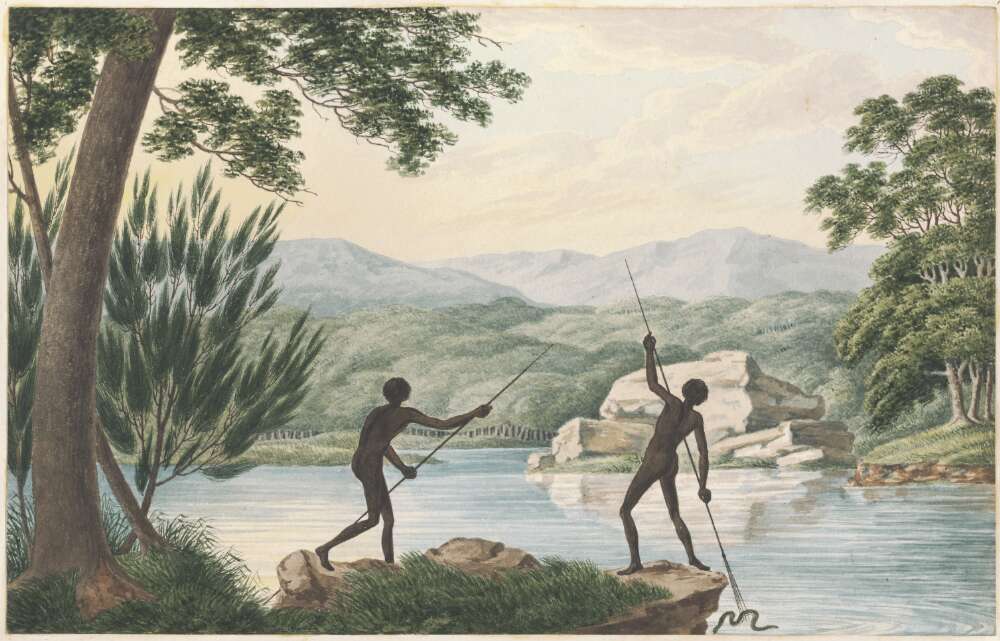
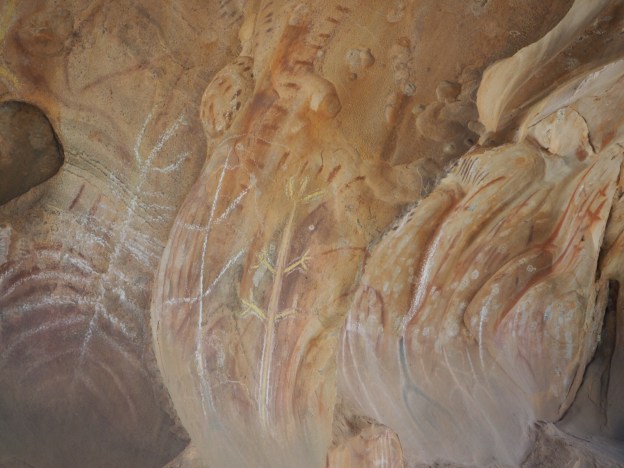
Starting at the beginning, I have imagined that Space 1 would need to be created in consultation with local Indigenous groups. We need to know Australian history from an indigenous perspective – we are all still learning the facts about our past. How did Aboriginal people live in Parramatta? What were their totems? What animals and foods were special to them? What was the impact that Colonial settlement had on the cultural practices on Indigenous groups already living in Parramatta and surrounding areas. The story goes back much further than Colonial settlement in Australia to more than 40,000 years ago. Who were the standout Aboriginal characters – individuals who were important local leaders and who managed to straddle both worlds at that time of first contact? Some of the stories will be hard to hear but they need to be told. Australians must think more critically about the past rather than continuing to look at history from a Eurocentric perspective.
Two Aborigines spearing eels by Joseph Lycett (c1817). National Library of Australia collection.
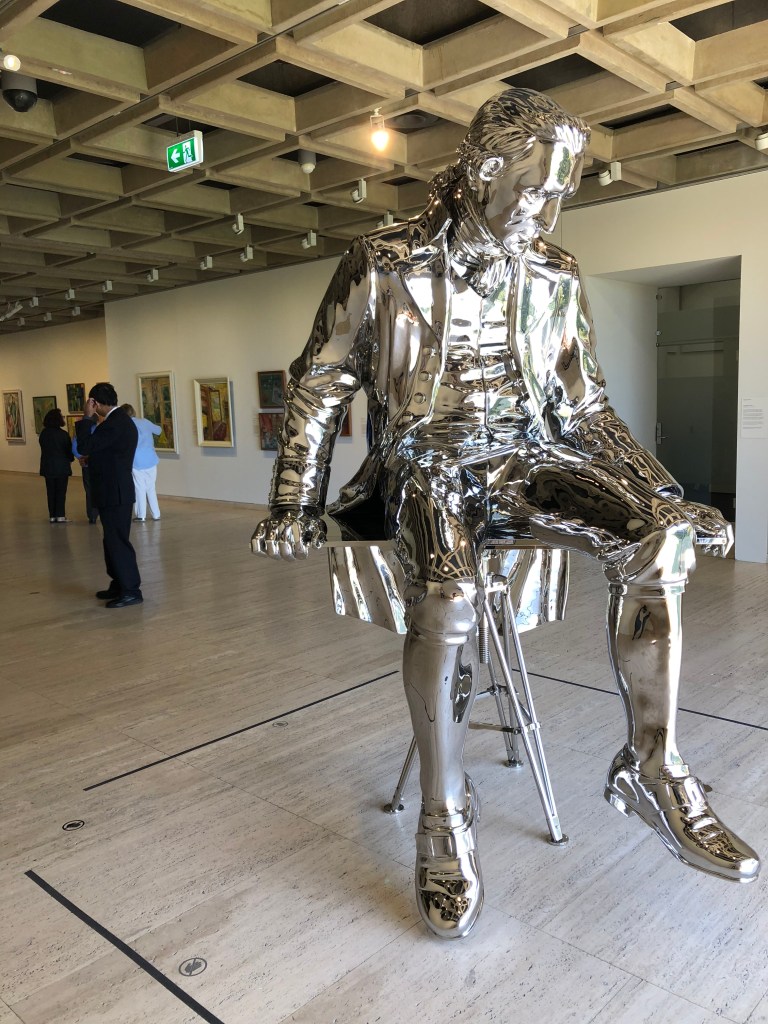
I recently participated in an online FutureLearn Course called Confronting Captain Cook: Memorialisation in Museums and Public Spaces which examines both sides of Captain Cook’s encounters with First Nations People in the Pacific and and how various societies related differently to his legacy. This reinforced my ideas about a need for Space 1 in the Museum of Parramatta.
The English Channel (2015) by Michael Parekowhai. Captain Cook reflecting on his legacy in a contemporary world. How do Pacific nations view him now , 250 years after their first encounter?
Space 2. The Colonial Years and birth of Parramatta Council
This area would be used to unpack Parramatta’s Colonial layer. There is plenty of archaeological and archival evidence to support learning about the built environment, but sadly there has been a significant loss of the “intact’ heritage buildings from Colonial times as a result of neglect, “progress” and development. Much of this destruction occurred before the Heritage Act was introduced in 1977. There are a number of significant sites in Parramatta which could be cross promoted through The Museum of Parramatta such as Old Government House and Experiment Farm Cottage (National Trust of Australia), Elizabeth Farm (Sydney Living Museums), Hambledon Cottage, Parramatta Female Factory Precinct, Lancer Barracks ………and the list goes on (see more detail at the end of this post).
Space 2 could utilise the objects from the City of Parramatta’s collection of archaeological and culturally significant material as well as its Archives. It will be a great space to tell the stories of Parramatta’s early history using the collection as tangible evidence of the past.
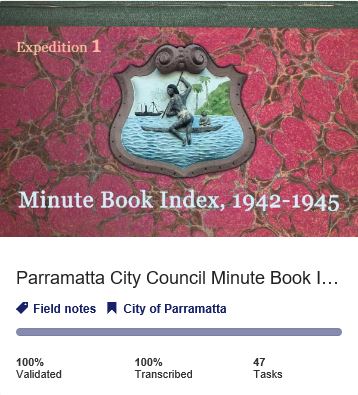
One of the many Expeditions for the City of Parramatta DigiVol project
The current City of Parramatta DigiVol project has a team of 120 volunteers transcribing the Parramatta Council Minutes from 1862-1945. The minutes tell of the everyday issues facing a new rapidly growing town. When the minutes become searchable primary source, it will bring the Councillors and the people of Parramatta’s past to life. TROVE is also a wonderful resource for reading news from the early days of Parramatta via the old newspapers in digitised form.
The team at Parramatta Heritage and Visitor Information Centre has researched so much about the city’s past which is available via their blog posts. Another significant body of work was researching all the Parramattans involved in the Great War . The team has produced a range of publications on the subject and also a travelling touchtable resource for the public to access.
Space 3. Waves of Migration
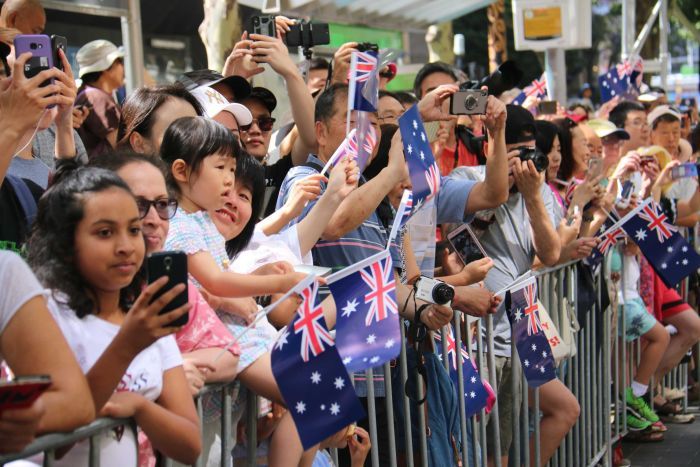
Successive waves of migration have shaped the culture and identity of Parramatta. It is home to many people with different pasts, and it is important to recognise that there are connections between the city of Parramatta and the new migrant communities that now call Parramatta home. We know that Chinese people migrated to NSW in the earliest days of the colony. Indian and Lebanese people also came very early on when the colony formed and have participated in the growth and cultural heritage of Parramatta and NSW.
Australia Day at Parramatta
The ‘Waves of People’ report was produced by Western Sydney University for the City of Parramatta. The research recounts the history of Parramatta’s inhabitants – from the generations of Darug families living along the Parramatta River and Australia’s first inland European settlement, to the waves of migrants and refugees from all over the world who made a home here.
“It is the accumulation of stories and experiences inscribed in built form that gives a place its distinct identity. Such stories are not only for the culturally sensitive: they drive real-estate investment too. When a city is rebuilt from scratch, we risk losing these stories and connections.” (The Conversation : Reimagining Parramatta)
As well as connecting to the past, Parramatta’s calendar is filled with festivals such as – Parramasala, Diwali, Lunar New Year, ParraLanes and Winterfest to name just a few. These festivals build on Parramatta’s Cultural Heritage and help to bring the community together in the present.
Celebrating Holi at Parramatta
Space 4. Changing exhibitions
This space is essential for presenting temporary exhibitions or travelling exhibitions from other cultural institutions to engage with local and wider audiences of The Museum of Parramatta. The area would provide a safe meeting place for discussion on contentious issues, talks and events. It needs to have banks of computers to be available for research and discovery. The area would be well supported by the existing Local Studies Library, allowing visitors to research in depth information about Parramatta and their connections to the area. It should also host a searchable map of Parramatta to showcase all the amazing historic buildings, house museums and small volunteer run museums in the local area (some mentioned previously and also see the links below).
Final Words
Maybe I’m dreaming, but I believe that Parramatta is worthy of its own purpose built museum (or a museum reimagined in an existing heritage space e.g. Fleet Street Precinct, Old Kings School, Willow Grove) to showcase the history of this city. Parramatta deserves The Museum of Parramatta as well as a satellite of the Museum of Applied Arts and Science (Powerhouse Museum – an existing cultural institution being transplanted in Parramatta). It deserves a well thought out museum of its own to take a more critical look at Australian History from a Parramatta perspective.
Want to think more critically about Parramatta’ history and cultural heritage? Explore the links below.
Over time, Australia’s amazing indigenous, maritime and cultural heritage is being uncovered via numerous archaeological investigations, many of which pre-date The Heritage Act 1977. I was amazed when I visited an Open Day in Parramatta for the Centenary Square development to see the incredible history which lay under the Post Office and surrounds in Macquarie Street. Strangely, although this site had been built on in the interim, there was a large amount of archaeological evidence still visible from the earliest times such as the footings of pre-existing colonial buildings and a variety of everyday objects uncovered by Casey and Lowe’s meticulous dig. I wondered whether we had lost the context for the earliest land use of the site because it had already been disturbed? I guess that the most recent dig will be the last opportunity to research Parramatta’s past from the Centenary Square site because once the underground car park has been excavated – the existing layers of history in the substrate will be lost.
This slideshow requires JavaScript.
That isn’t really why I was writing the blog post. The point I was actually thinking about after my Centenary Square visit was that if we continue to subdivide Parramatta and other parts of urban Australia into tiny blocks (which seems inevitable), then what happens to the layers underneath? If the colonial subdivisions are double, triple or quadruple the size of the modern land holdings, what will happen to the archaeological material and the context of where that material is located below the surface? The size of indigenous Australian history layer will be even greater. If an archaeological survey is required by a developer before an underground car park is excavated, are we only getting part of the story from the archaeological report? Are we looking at half a house, quarter of a hotel or a miniscule portion of a larger landholding such as market gardens, farm, factory or place of indigenous significance? Considering that the layers of earth below the surface can reveal so much about our past and that suburbs like Parramatta are a significant part of the history of Australia, I really hope that some very important person with vision or the Office of Heritage and Environment or local council responsible has all this in hand before the evidence and context is destroyed for all time.
P.S. After I posted this I noticed some posts by @gmlheritage on Instagram showing items from the archaeological dig of 200 George Street, Sydney, reinterpreted for use in the foyer of Mirvac’s new headquarters. Great to see the objects used along with some explanatory text about the site’s history supported by a wonderful artwork by Judy Watson on display in the public foyer instead of being archived in boxes and stored out of sight.



 Museum Whisperings