When Paul Knight addressed the National Trust election forum late last year, he encouraged a new approach when considering Aboriginal cultural heritage. As I read his words, I saw that it applied not just to Indigenous Australian cultural heritage but on thinking critically about Australian “cultural heritage” in general.
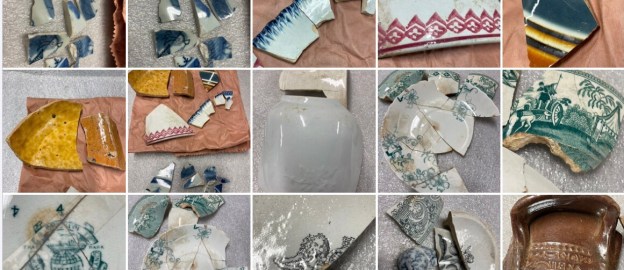
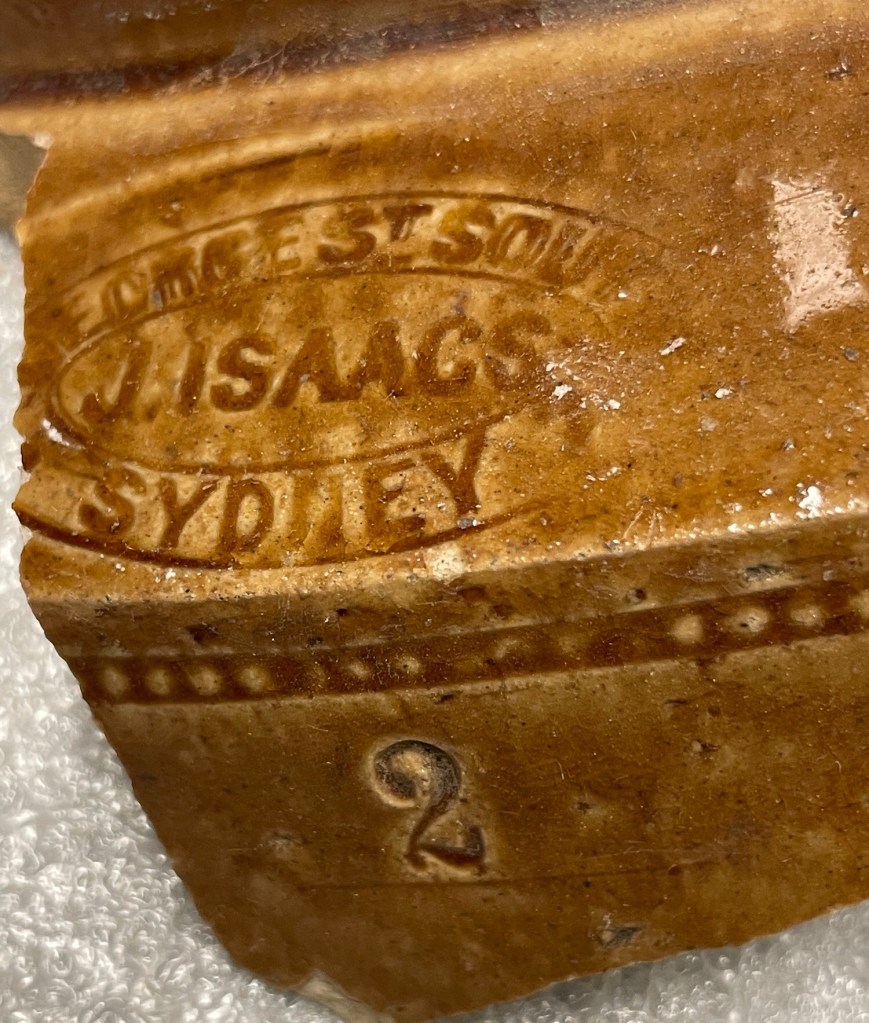
What can archaeology tell us about the past and people who used these items?
Knight states that it isn’t just the buildings and objects that matter but rather “ the stories of place, the stories of people and the relationship that we have with that place”.
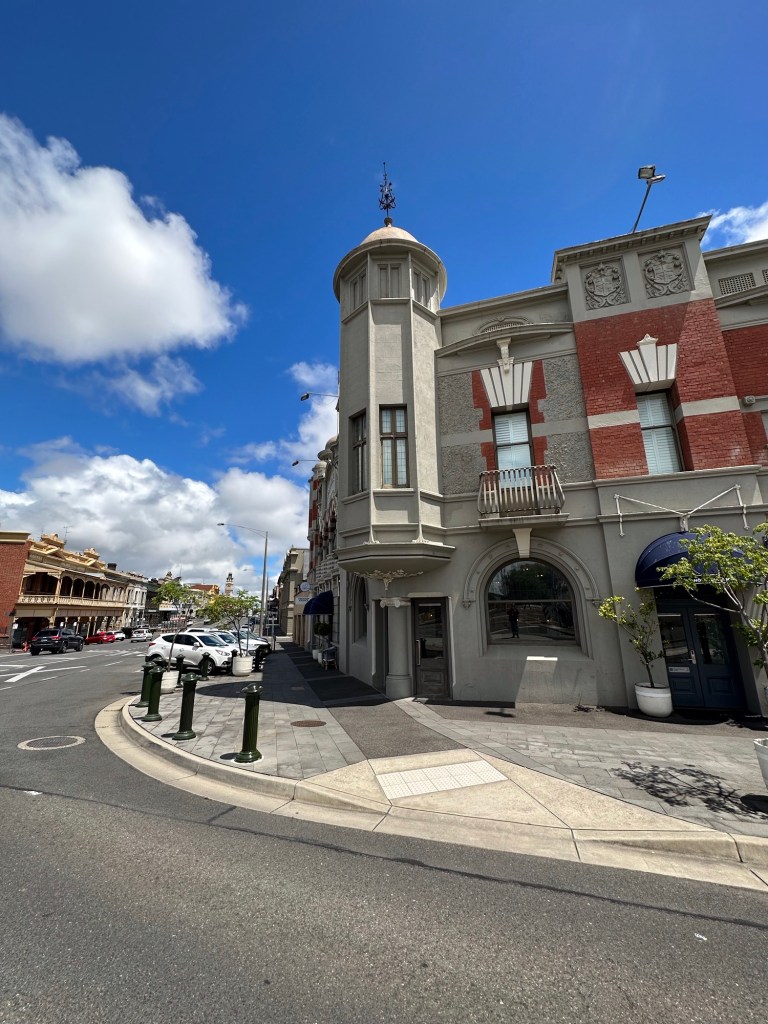
There are significant and great losses of cultural heritage from every layer of Australian history – Indigenous, Colonial and Multicultural. When you dissect the outcomes, it is so much more than just a loss of a habitat or a building or an object – it is that every single loss becomes magnified in the context of a much larger jigsaw of place and/or landscape. How does the destruction of heritage buildings or removal of a group of trees change the feel of a street or the city CBD or the suburb that we live in or indeed the landscape that they were once part of? Imagine The Rocks in Sydney CBD being flattened and replaced with high rise buildings. How much harder would it be to tell the stories of early Sydney town without its original streetscape? How wonderful it is to be able to visit the towns of Indigo Shire and Ballarat in Victoria which exhibit intact cultural heritage (houses, gardens, historic buildings) as a backdrop to the stories of Australia during the gold rush times.
The City of Ballarat, Victoria. Heyday in the 1850s from the rich alluvial gold deposits.
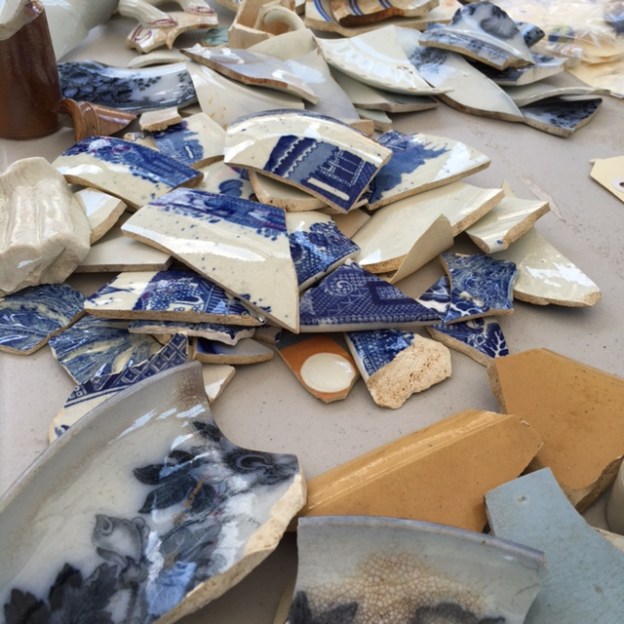
Knight talks about individual sites and their connection to the greater surrounding area and that loss of context and connection impacting upon the total heritage landscape. It’s so true. As we redevelop and clear and subdivide and dig – we permanently change not only the surface area of the landscape (whether forested or built) but the archaeological landscape below the surface. The eventual “cover up” causes irreversible damage and may include the loss of the evidence to tell “tangible” stories attached to the history of that place. Archaeological finds are so critical for research and interpretation of the past lives lived right under our feet.
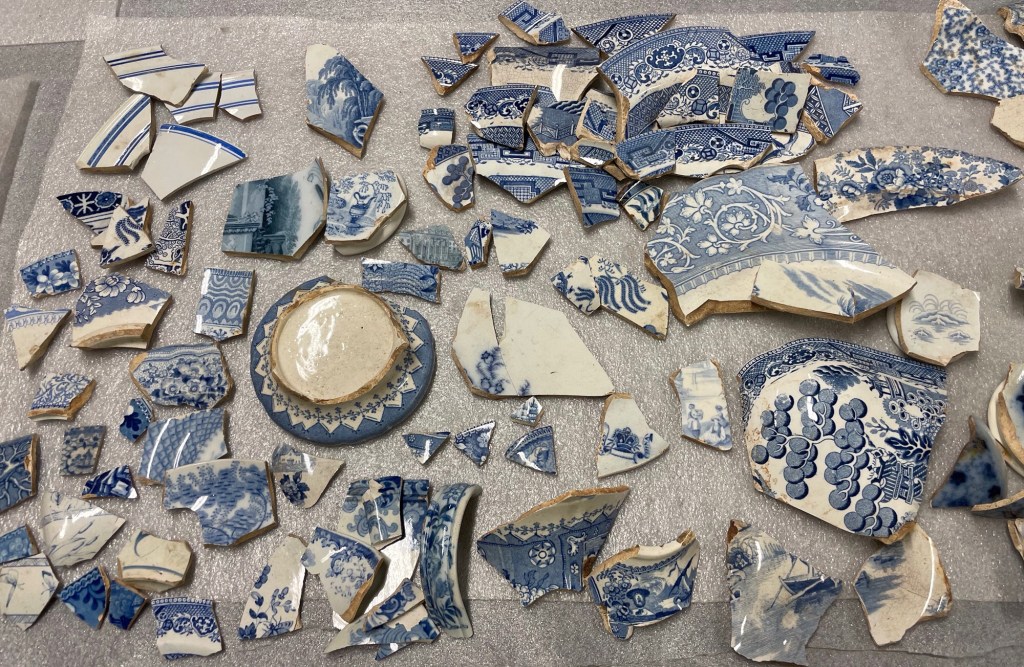
So many patterns and types of blue and white ceramics from a single archaeological find in Parramatta, NSW. What story do they tell?
Indigenous Australians talk of their connection to “country” and being custodians of the land – I really get that. We need to pay attention to this way of seeing Australia – not only being connected to the landscape but to the built environment and other layers of Australian history (“warts and all”). We must all adapt to a different way of thinking – realising that we are all the caretakers of our cultural heritage and are just passing through. For future generations there needs to be stories and a connection to the past. We must ensure that we protect all the layers of cultural heritage and rethink the model of protection for individual sites and objects and assess them as part of the whole heritage landscape rather than case by case examples.
Heritage Legislation is critical in ensuring that Australians are custodians of their own history. We all need clear guidelines about the ways we can protect the past at both state level and a national level and including shipwrecks and our sunken past off the coast.
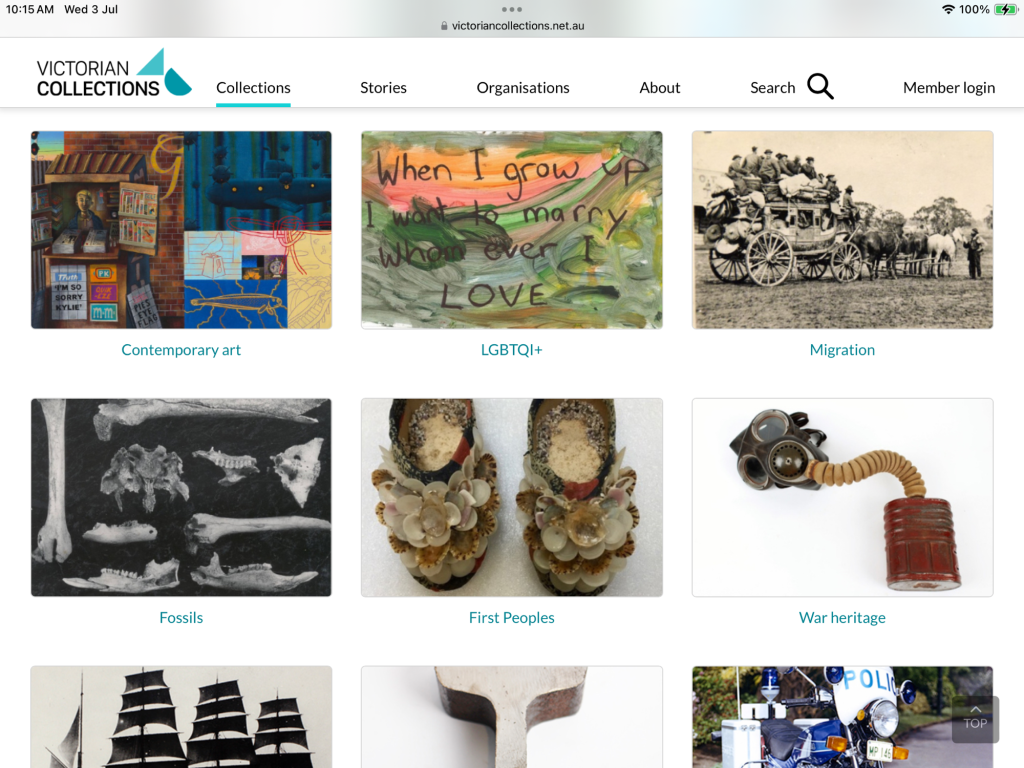
The State of Victoria has lead the way educating us about the past by building its Victorian Collections Platform – cataloguing and interpreting archaeological and heritage finds. The information is accessible to everyone online. Food for thought?
I used to be an Australian, but now I’m not so sure. Who knew that a virus called Covid-19 would be enough to tip state and territory leaders over the edge, taking Australia back 120 years to a colonial mindset? I’m thinking back to a time when I did some work in Canberra before our lives were changed so dramatically by a pandemic.
It was interesting to survey visitors to the exhibition and ask them some questions about our Constitution. (Anecdotally I’d say that other than law students or political scientists that most people passing through the exhibition had not spent time dissecting the document in question.) The NAA wanted to understand – whether visitors to the exhibition had actually read the Australian Constitution; what they knew about the creation of the Constitution; what they knew about the Federation of the colonies/territories and whether or not they thought that the Constitution needed to be changed in some way. If they did think that the Australian Constitution should be changed moving forward – they were asked how it should be changed and why? Imagine carrying out this survey in the different states (particularly WA and QLD) and territories right now in 2021 to see how people’s views have changed over the past 18 months.
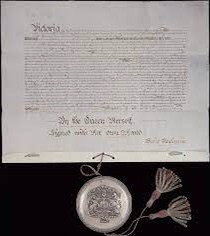
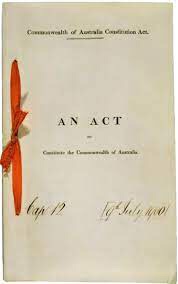
Surprisingly, it took 10 long years to draft the Constitution before it was given Royal assent by Queen Victoria (Queen of the United Kingdom) in 1900. The passing of the Constitution enabled Australia’s 6 British colonies to become one nation – the Commonwealth of Australia, on 1st January, 1901 – twenty one days before the death of the Queen.
Western Australia was the last colony to decide whether or not it would accept Federation. Strangely, in the early 1890s, New Zealand had considered becoming part of Federated Australia ahead of Western Australia’s decision but the fact that the Maori had the Treaty of Waitangi in place (and our Indigenous Australians were not similarly recognised) and the difficulty of protecting two island nations from a military perspective proved to be too much of an issue in the end.
Royal Assent
The other colonies had each held special votes or referendums in 1898 and 1899 – and in all of them the majority of voters said ‘yes’ to the Constitution Bill, accepting the new Australian Constitution. Western Australia had only just become a self-governing colony in 1890 and did not have its referendum until the end of July 1900. By then, Australia’s Constitution had Britain’s parliamentary and royal approval and arrangements for the new federal system were already in place.
Under the new Constitution, the former colonies (now called states) would retain their own systems of government, but a separate, federal government would be responsible for matters concerning the nation as a whole. For the most part, this system works, but also there could be benefits to having a consistent national approach to areas such as health and education and the management of utilities such as gas and electricity.
The Federation of Australia
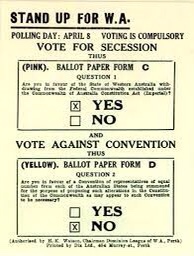
Historically, secession has been discussed in Western Australia on more than one occasion. It has been a serious political issue for the State, including a successful but unimplemented 1933 State referendum. The Constitution of Australia Act, however, describes the union as “one indissoluble Federal Commonwealth” and makes no provision for states to secede from the union.
WA’s unimplemented referendum
Federation in 1901 was no cause for celebration for Aboriginal and Torres Strait Islander peoples, who after 60,000 years were dispossessed of their land and forcibly removed from country onto missions and reserves. The only recognition of First Australians in the new Constitution was discriminatory. Federal laws could not be made for them, they were not counted in the census and most could not vote (although Indigenous Australians in South Australia had the vote pre-Federation in the 1890s). Sadly, the authors of the Constitution believed that Indigenous Australians would die out and so didn’t require recognition or special laws.
The process to change the Constitution is very different from the way other laws are changed. The Federal Parliament may pass a law proposing changes to the Constitution, but a change will only be made if it is approved by the people through a referendum. From the National Australian Archives resources:
For a referendum to be successful and the alteration to the constitution to be passed, a double majority vote must be achieved, which is:
a majority of voters in a majority of states (at least four of the six states)
a national majority of voters (an overall YES vote of more than 50 percent).
If the double majority is achieved and the proposed alteration to the constitution is approved, ‘it shall be presented to the Governor-General for the Queen’s assent’ (Section 128).
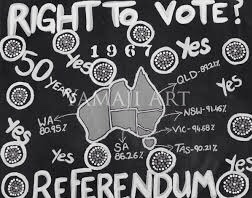
The 1967 referendum – in which over 90% of voters agreed that First Australians deserved equal constitutional rights – remains the most successful referendum in Australian history. But this achievement, framed by campaigners at the time as ‘equal rights for Aborigines’, did not occur in isolation or without a long history of agitation, action and appeal.
Successful 1967 referendum to change the Constitution
The decades following 1949 brought about several changes to the Constitution Act. According to Helen Irving, (Department of the Senate Occasional Lecture Series. 2001) “In 1967, changes gave the Commonwealth the power to make special laws for the Aboriginal people. Australia’s formal constitutional and legal ties with Britain were severed. The White Australia policy was ended, and multiculturalism was introduced. Australia increasingly looked to, and invoked, its international obligations in passing and upholding Commonwealth laws. The notion of citizenship began to stretch beyond Australia’s nationalist concerns, to a wider, international set of values.”
The Nationality and Citizenship Act, 1948
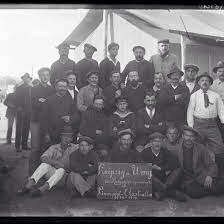
I’ve often wondered if some of the attitudes that Australians held arose because before 1949 Australians held the status of being British subjects. This remained true until the enactment of the Nationality and Citizenship Act 1948 which came into effect on the 26th January, 1949. Did this sway people to think as if they were British first rather than Australian? I know that many older Australians referred to England as “home” even when they were born in Australia. The legacy of British Imperialism had seeped into the minds of many Australians and “white-washed” their views on historical events and attitudes to Indigenous Australians and newly arrived migrants from non-British counties. It is not surprising that non-English speaking European migrants new to Australia also kept their country of origin allegiances for the first and second generations before they became “Australian”. Migrant families like my own suffered Australia Wartime internment during WWI and WWII based on family name and occupation even though they had arrived as indentured migrants from Germany in the 1850s. These people were not always overseas residents but were naturalised citizens and even born in Australia.
Internment camps in Australia
Realistically, most of us are migrants to this country. We have all brought with us bits of the cultural heritage that we came from to add to a growing population – making rich and diverse communities Australia wide. I hope that moving forward we are strengthened by the community values which can’t be broken by a pandemic. Australia made it through the Spanish Flu and can do the same now, remembering how we have joined together to form a single nation – Australia.
Strangely enough there are quite a few parallels with the pandemic today and the Spanish Flu more than 100 years ago. You get a sense of déjà vu reading about the border closures, quarantining, development of a flu vaccine by CSL, blame gaming between the states and last but not least that the Spanish Flu reached WA much later than the other states.
“In Australia, while the estimated death toll of 15,000 people from Spanish Flu was still high, it was less than a quarter of the country’s 62,000 death toll from the First World War. Australia’s death rate of 2.7 per 1000 of population was one of the lowest recorded of any country during the pandemic. Nevertheless, up to 40 per cent of the population were infected, and some Aboriginal communities recorded a mortality rate of 50 per cent.”
I hope that at the end of this Covid -19 pandemic I will still be an Australian and not a person defined by my State, Local Government Area or my vaccination status. I will look forward to seeing what the National Museum of Australia records on its online Bridging the Distance Facebook page after the success of Momentous – an audience driven participatory evolving record of recent events in Australian history compiled after the devastating 2019/2020 bushfire season.








 Museum Whisperings