
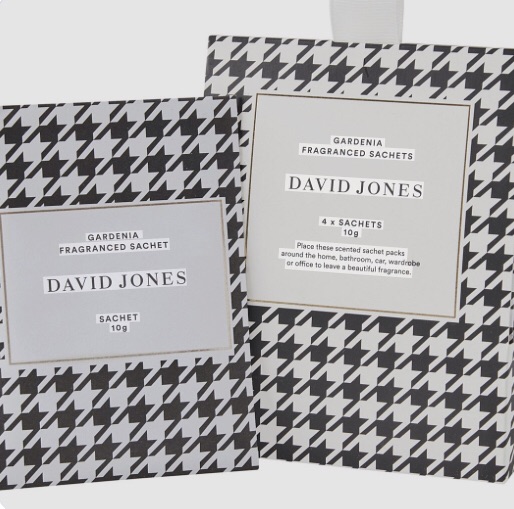
“When you think about it, department stores are kind of like museums”.
Andy Warhol (p.22, ”America”. 1985)
Historically, museums and department stores fought hard to gain a share of people’s time. Public museums were set up in the 17th – 18th centuries, expanding on the private collection model built for the elite. Private collections were primarily created for personal prestige and intellectual pursuit. However, public museums were created as places of wonder and enlightenment. In much the same way, department stores came about in response to a developing middle class who suddenly found themselves with time for leisure and money to spend. Department stores like museums were developed as giant “wunderkammers” with products which “wowed” their shoppers. They were both part of a greater social reform allowing more women to get out and about – unchaperoned, in a time when their movements were quite restricted in accordance with social norms.
Andy Warhol’s sentence had a lasting impact on the way I thought about the relationship between museums and department stores. In the past few days, we have been witnessing the demise of an iconic Australian department store – David Jones – a place that was always a “cut above” the other department stores in Sydney. The list of failed department stores and shopping malls is growing in direct proportion to online shopping growing exponentially and as physical stores have become less like museums, less like places of wonder and have lost their intangible value as part of our city’s cultural heritage.
When travelling, I want to learn about the cultural heritage of the place that I’m visiting. I do my homework – check out the recommended sites to visit, check out museum offerings, cultural icons and read about the people, the food and customs and expectations of me as a tourist. It is such a feeling of disappointment when you travel to another city only to find that the shopping malls and department stores in a strange city look like clones of the malls at home. The disappointment when you look out of your hotel window and see high rise after high rise which looks like any city that you have already visited or have left behind at home.
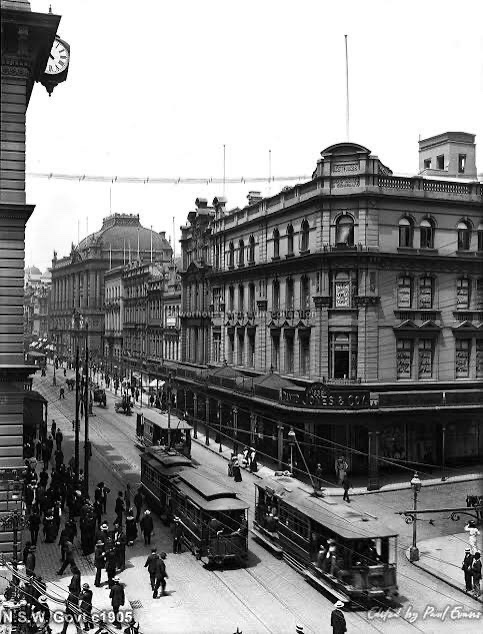
When David Jones first opened in Sydney in 1838, it was an exclusive family owned establishment selling drapery, furnishings and general goods to the top end of town. When it expanded, opening its flagship department store in Elizabeth Street, Sydney in 1927, the new store featured marble staircases, fine dining, salons, and an art gallery, becoming a cultural icon in Australia. David Jones always traded on having a point of difference – a point of difference in the products on offer, a point of difference as a shopping experience, a point of difference offering exceptional customer service which no other store could compete with. In fact, a visit to David Jones became an experience of “intangible cultural heritage” whether the visitor was shopping or dining or visiting an art exhibition. David Jones was on par with Harrods and Liberty of London, KaDeWe in Berlin and Galeries Lafayette in Paris – a cultural icon within Australia. David Jones used to be a “destination” for people to visit – competing as a tourist attraction and not just another shop.
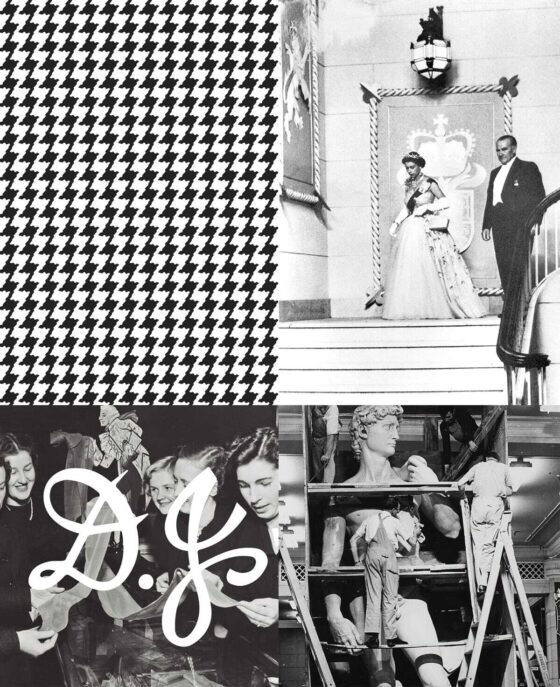
I always remember the spring flowers, the Christmas windows, the amazing food hall but David Jones celebrated many milestones in Sydney’s history. The store was an early Australian retail innovator introducing the first department store food hall in 1936 and a free aerial parcel delivery via its own plane in 1919.
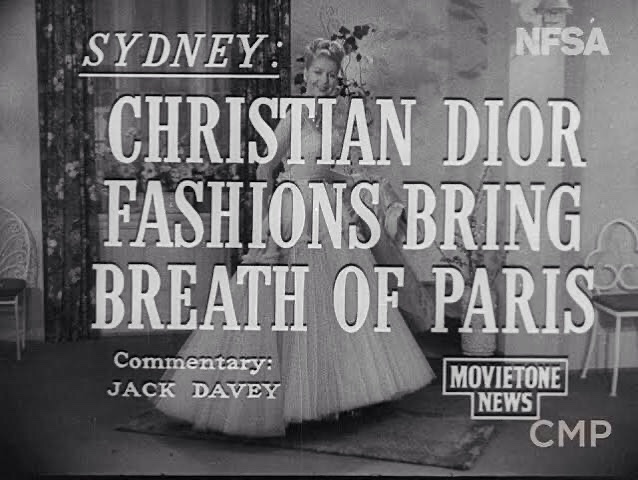
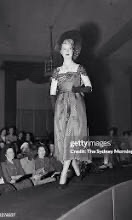
David Jones made global fashion history by hosting the very first complete collection of Christian Dior “New Look” haute couture outside of Paris. During her 1954 Australian tour, Queen Elizabeth II and Prince Philip attended an official State Banquet hosted by DJs in the Great Restaurant on Level 7 of the Elizabeth Street flagship store. In 1963, David Jones introduced its iconic black-and-white houndstooth pattern, which became the visual signature of the brand (trademarked in 1995). For generations, visiting the flagships on Elizabeth Street and Market Street in Sydney was a family ritual – from the annual Christmas choir (started in 1951) and window displays to white-glove customer service and fine dining.
Perhaps the David Jones management team needs to get back to the drawing board and recreate the possibility that a visit to their stores be “an experience” worth leaving home for. Forget about being a conglomerate of concession stores – they are all outside in the mall or on the street nearby. Bring back the “men and women in black” and the customer service you were famous for and “wow” shoppers with your curated displays and the unique products on offer. Look back at your contribution to Australia’s cultural heritage and then move forward with a different vision for David Jones department stores.
Coincidentally when the new Powerhouse Parramatta opens this week, one of the first exhibitions listed on it’s website is:
”The Mall: across two storeys, the exhibition examines the history, evolution and cultural significance of the shopping mall, exploring Australian and global innovation across architecture, design, technology, engineering, and fashion.”
Readings:
http://discovery.ucl.ac.uk/1554664/1/325-2381-1-PB.pdf
https://www.artmonthly.co.uk/magazine/site/article/modernisms-in-store-by-jonathan-harris-june-2006

